Best Photo Spots in Corfu: A Local's Guide 2026
There are two Greeces in most travel photos: the white-and-blue Cyclades, and everything else. Corfu belongs firmly to the "everything else" — and photographers love it for that. Four centuries of Venetian rule left the island with ochre facades, bell towers and shuttered lanes that look more like Italy than the Aegean, all wrapped in a green no other Greek island can match. The Ionian light is kinder too: softer than the hard glare of the Cyclades, with hazy golden evenings and none of the meltemi wind that batters the Aegean in July and August.
Here are the five places our local photographers in Corfu return to again and again — with the timing and light notes that make the difference between a snapshot and a portfolio image.
4 photo spots on Corfu — click a pin to open the full guide
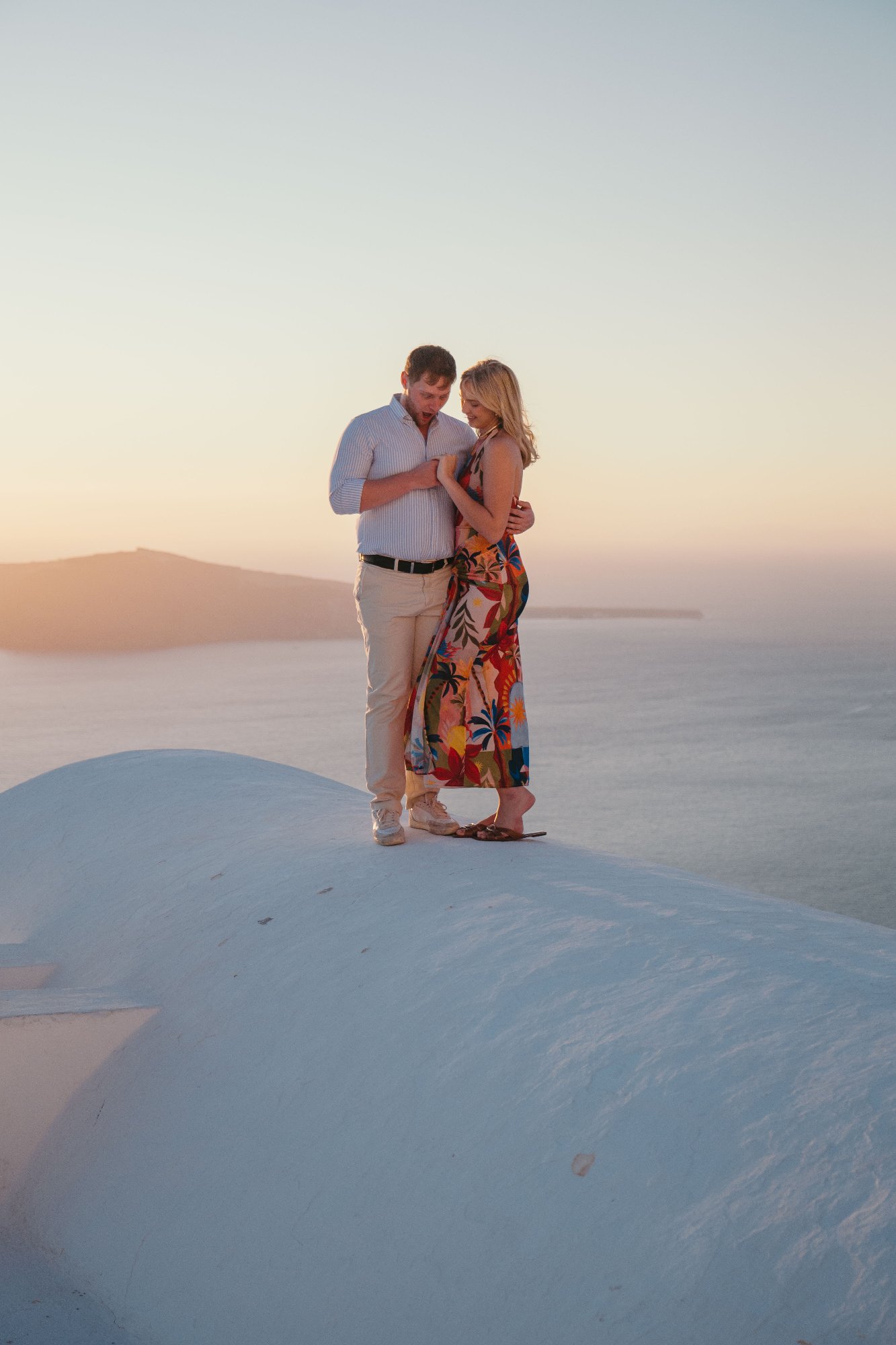
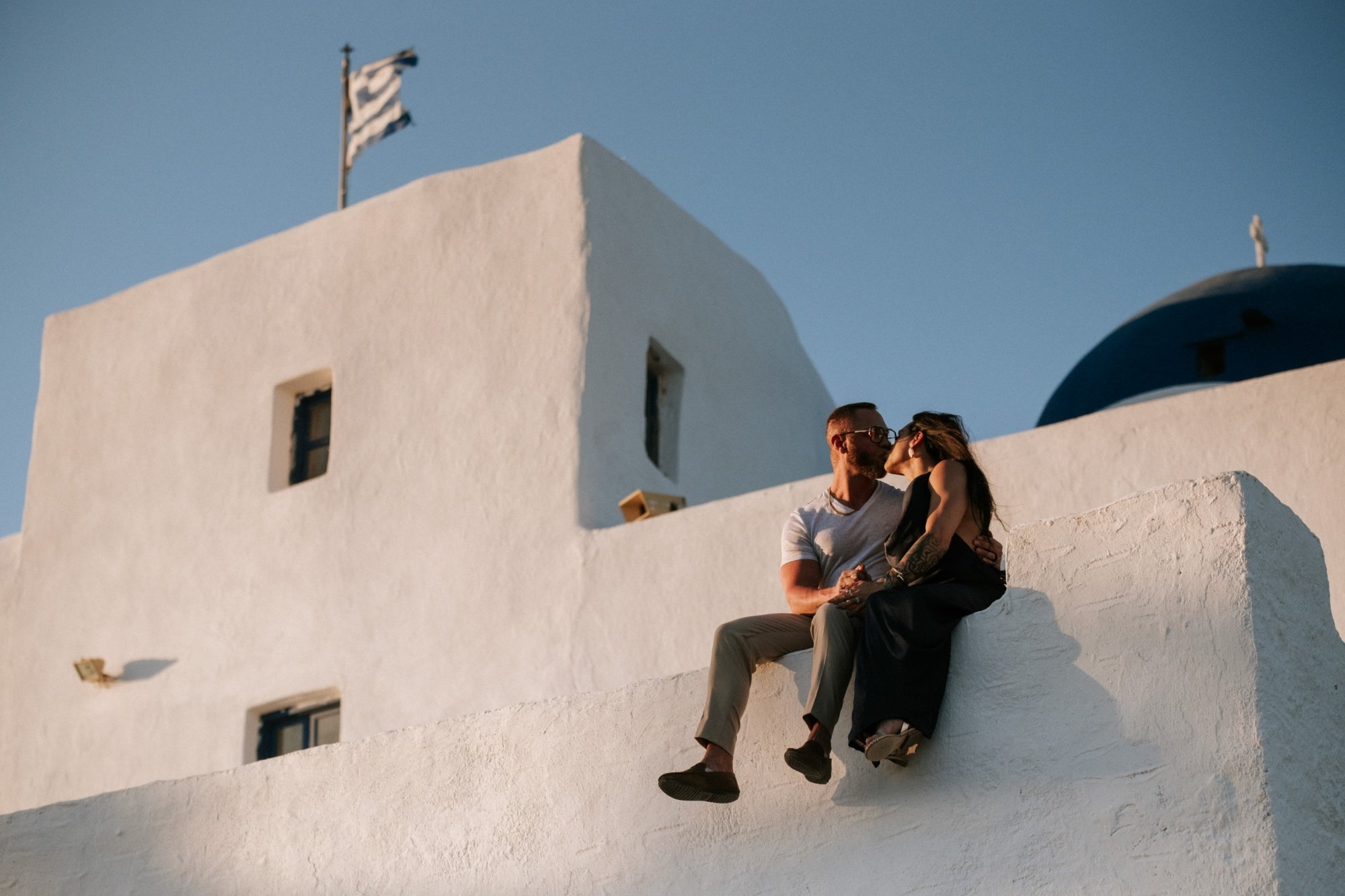
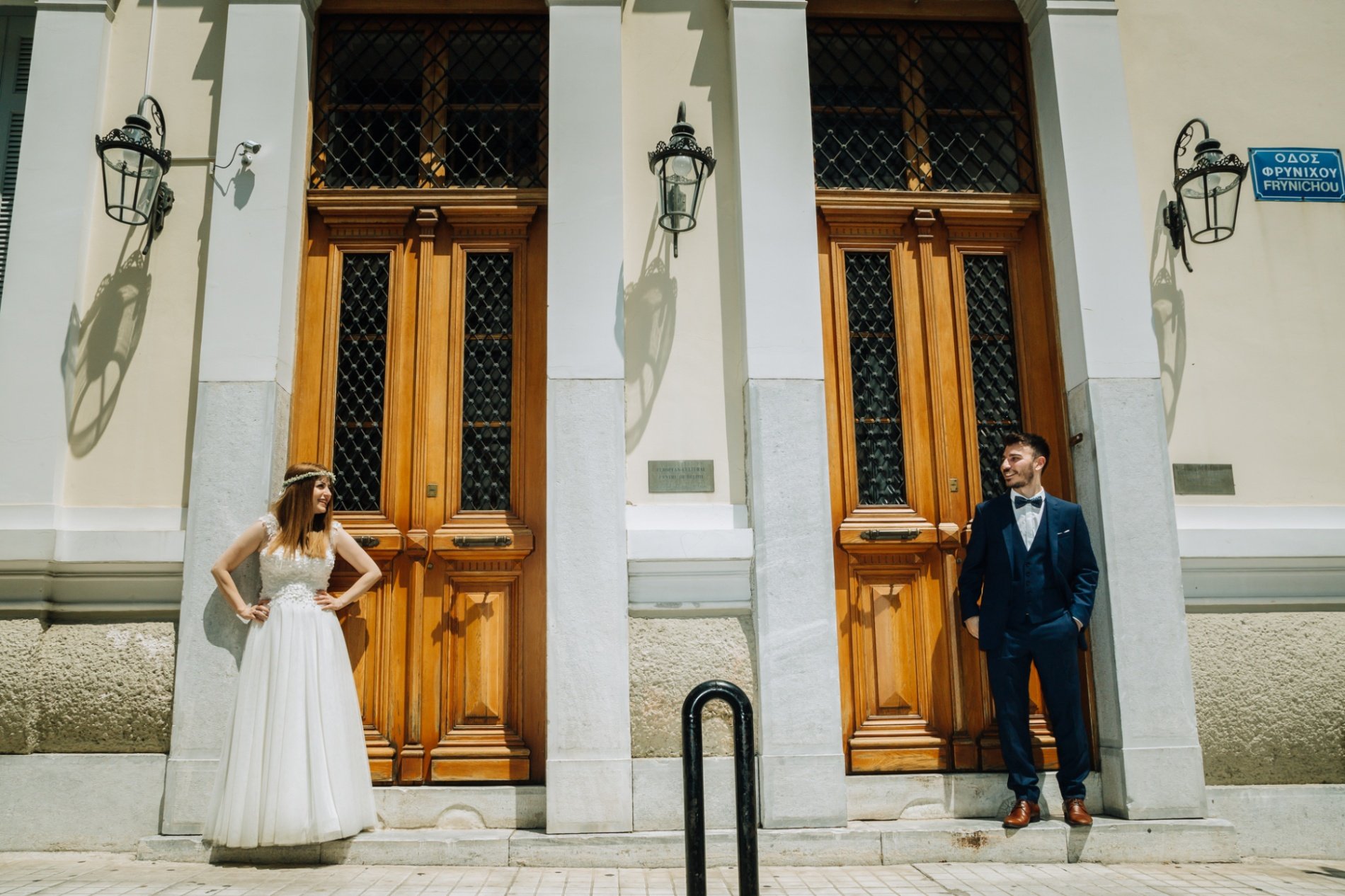
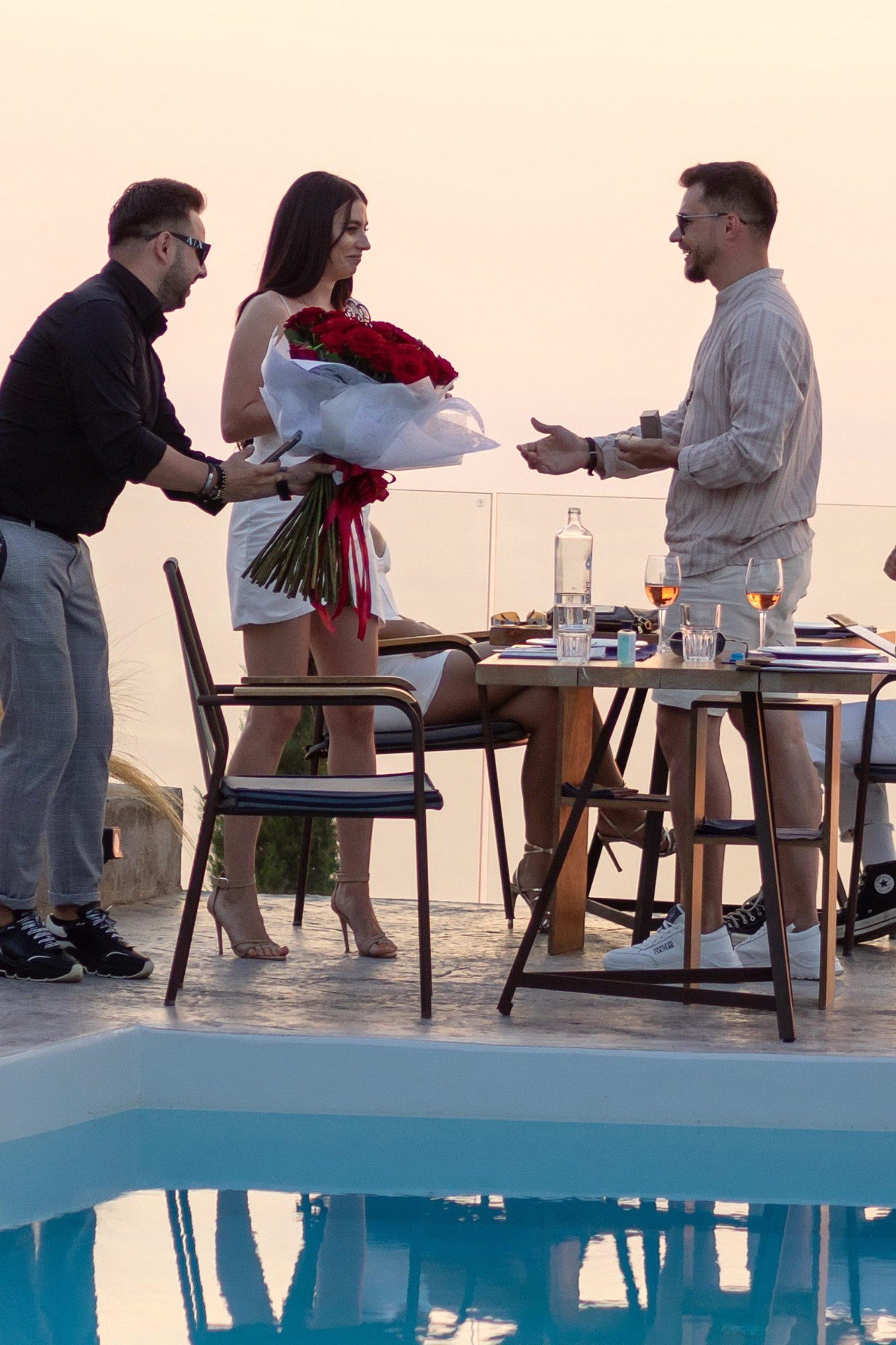
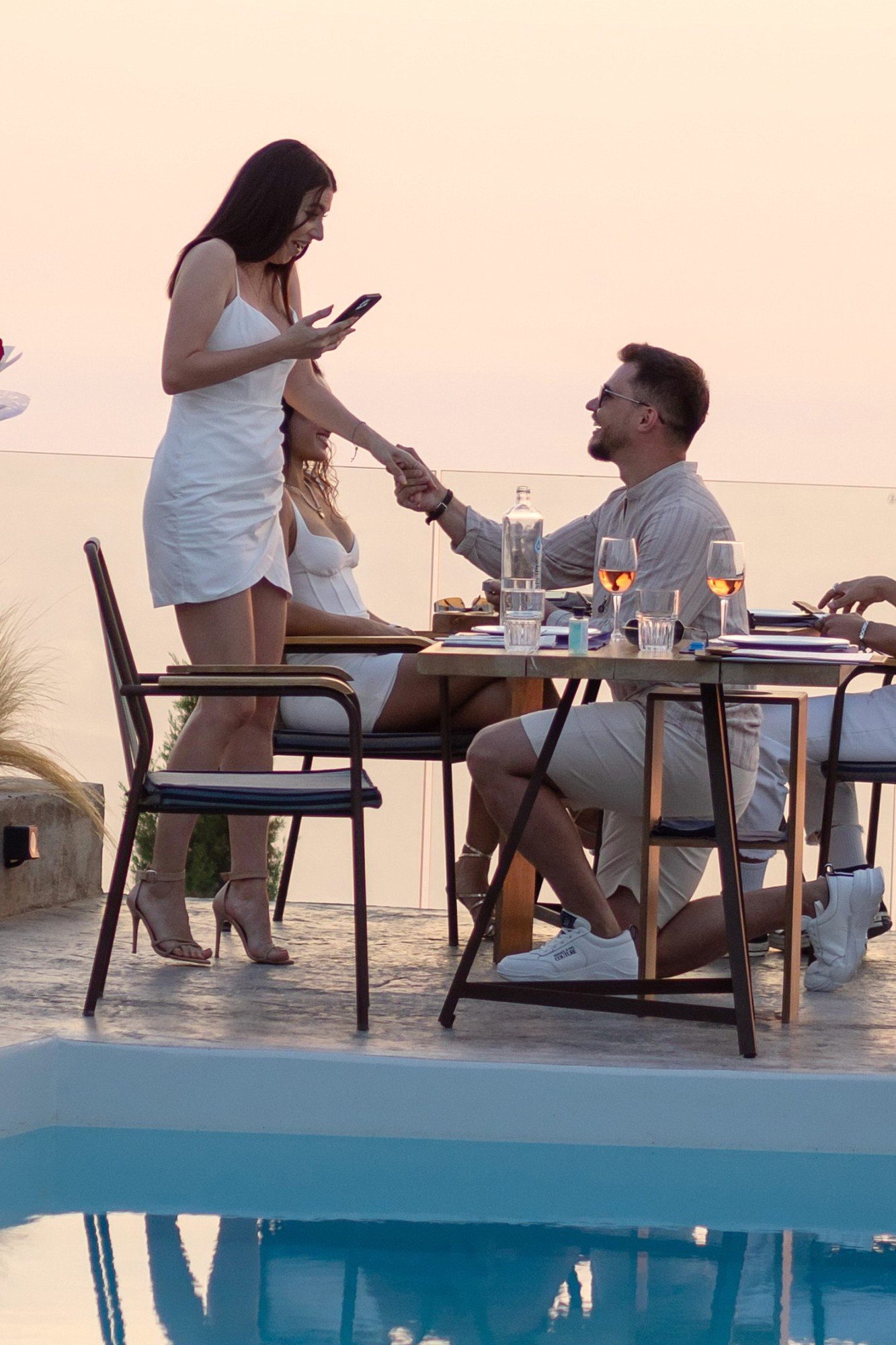
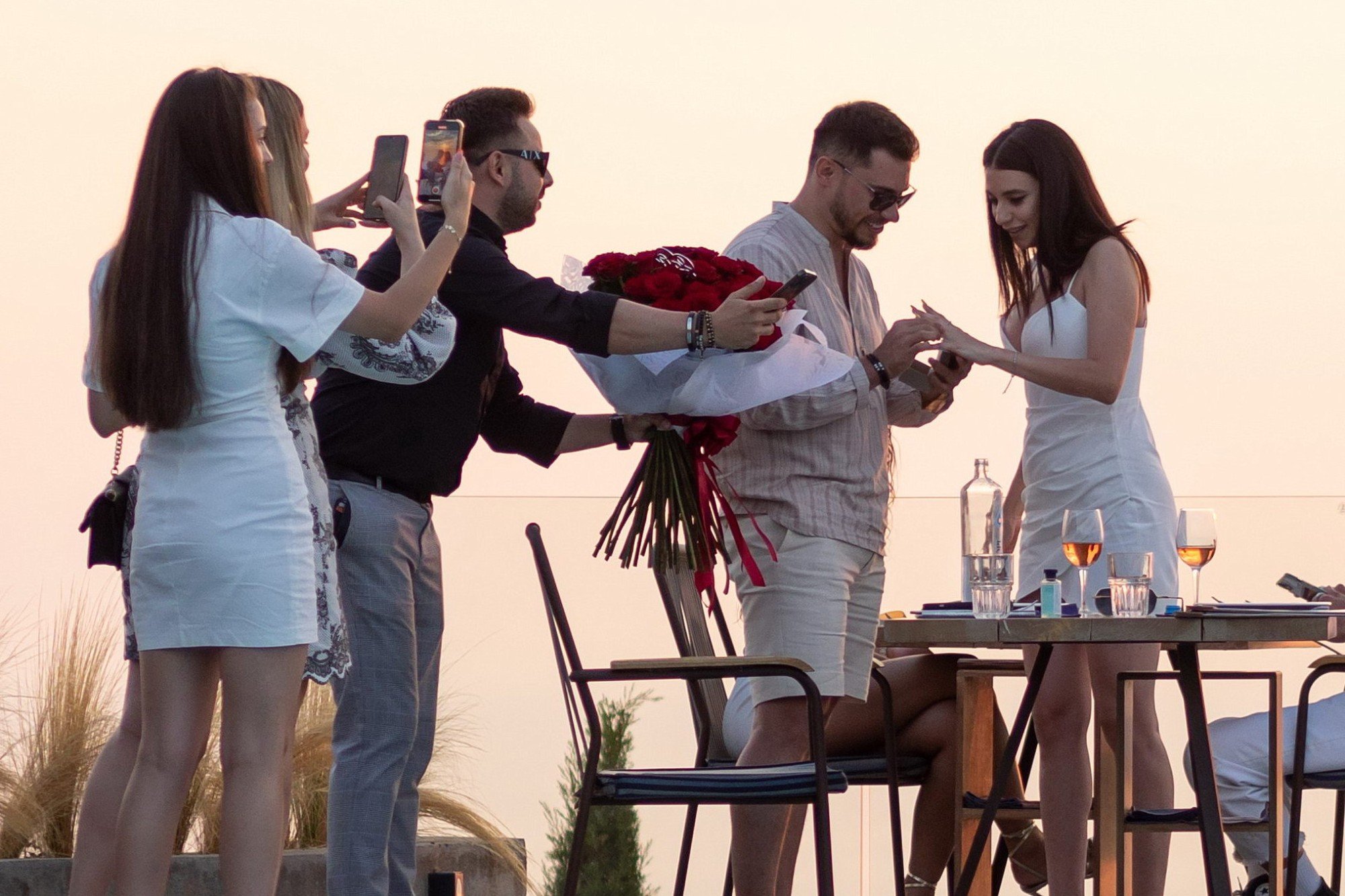
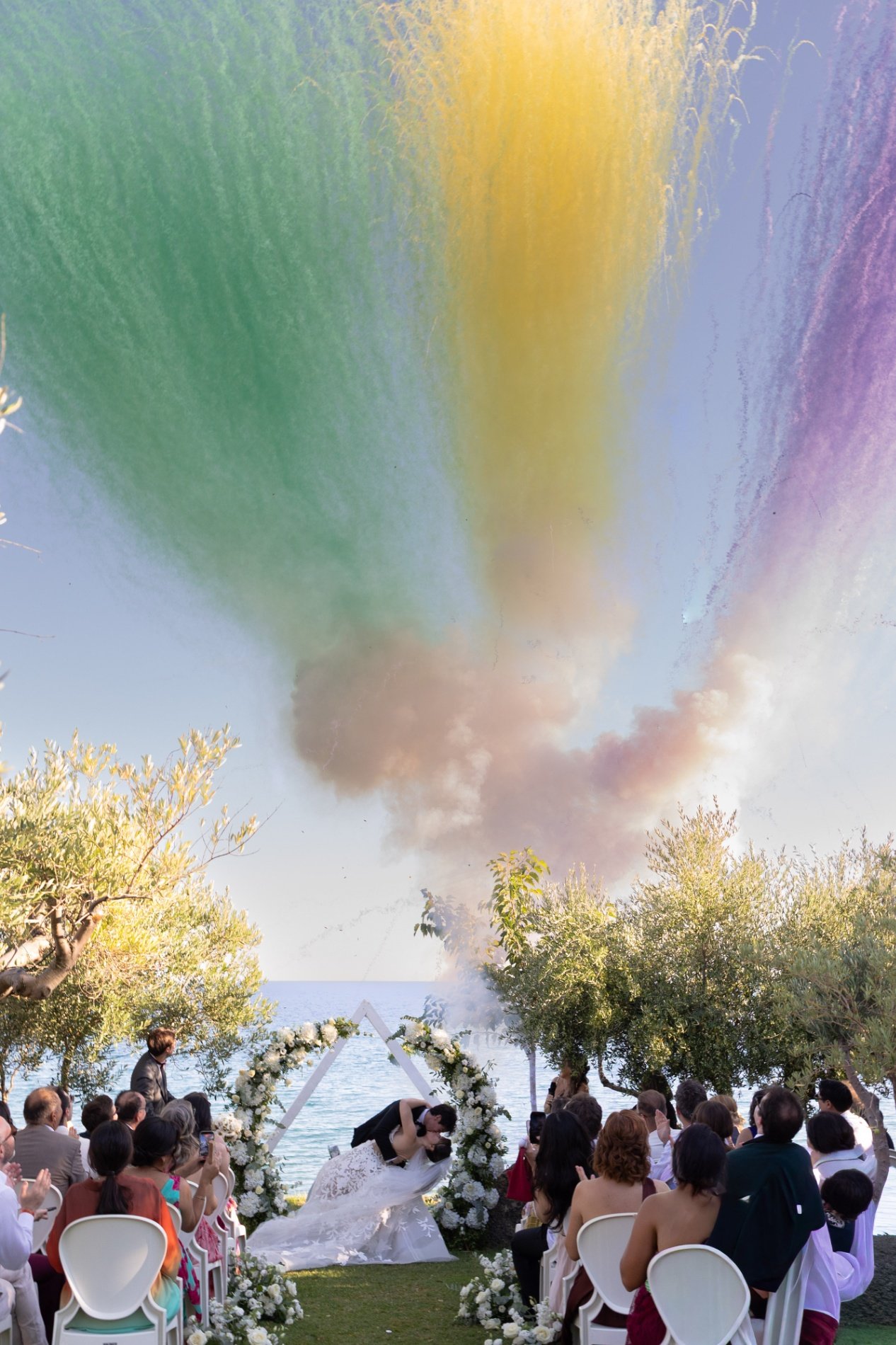
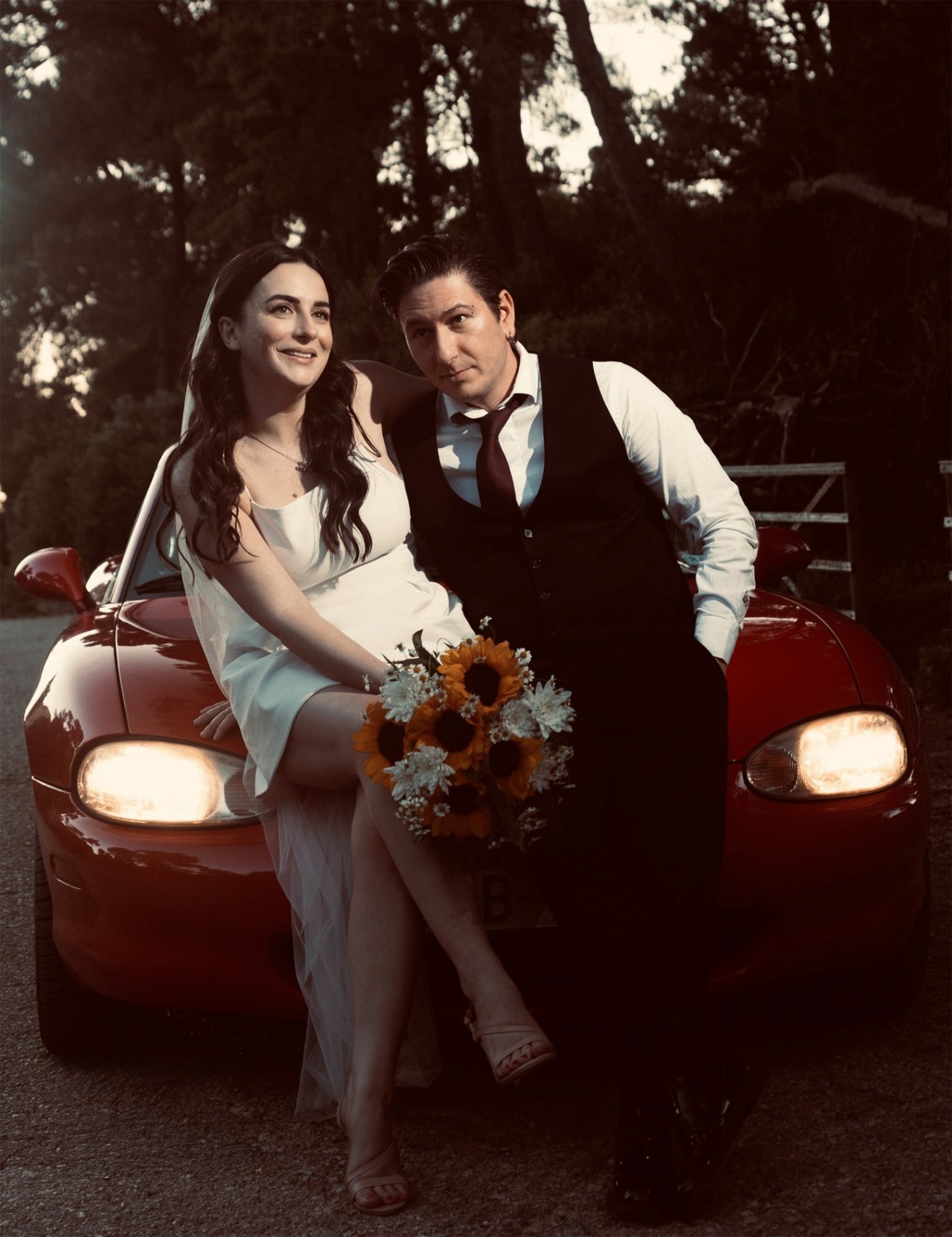
Real shots from Corfu

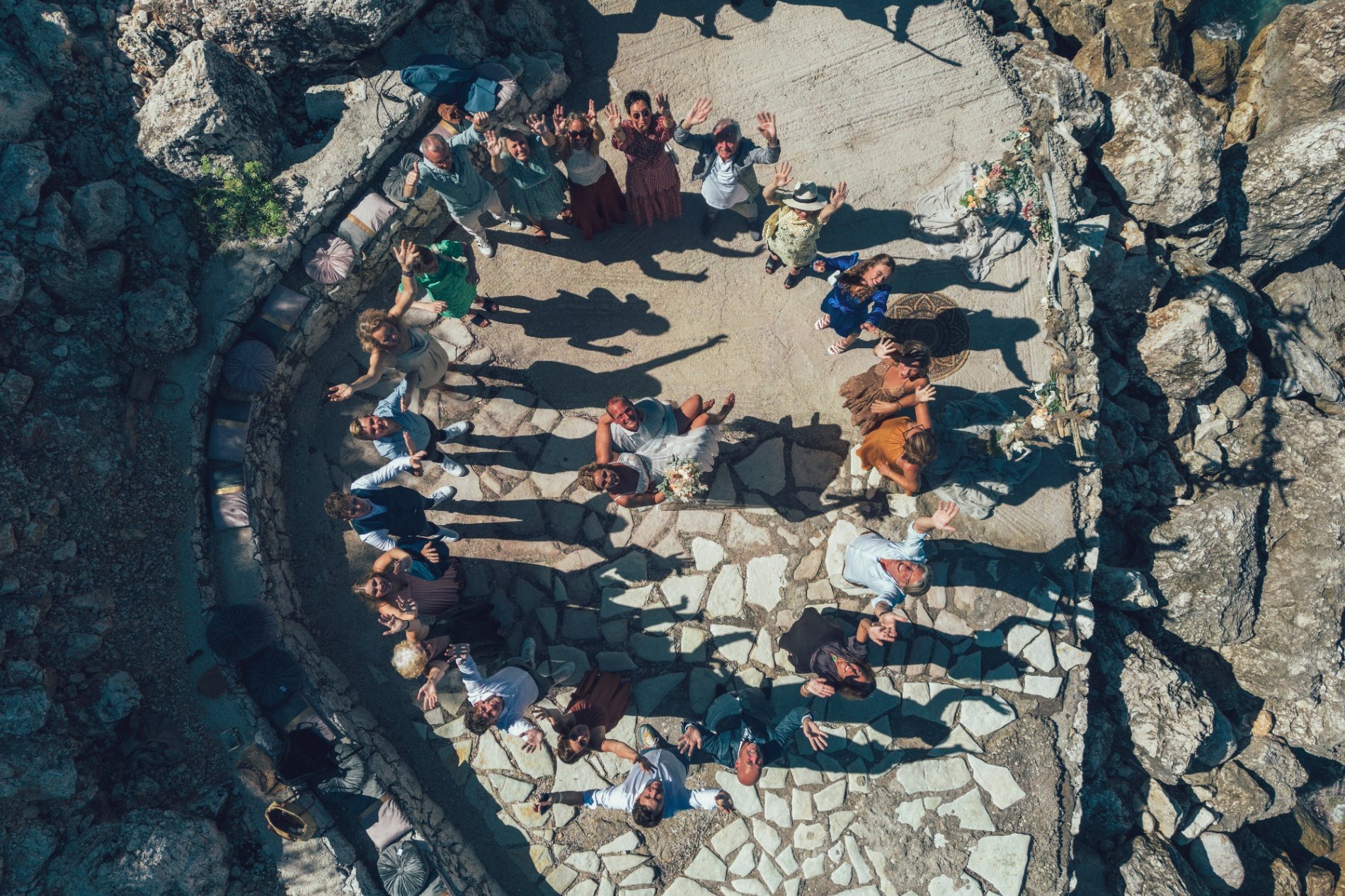
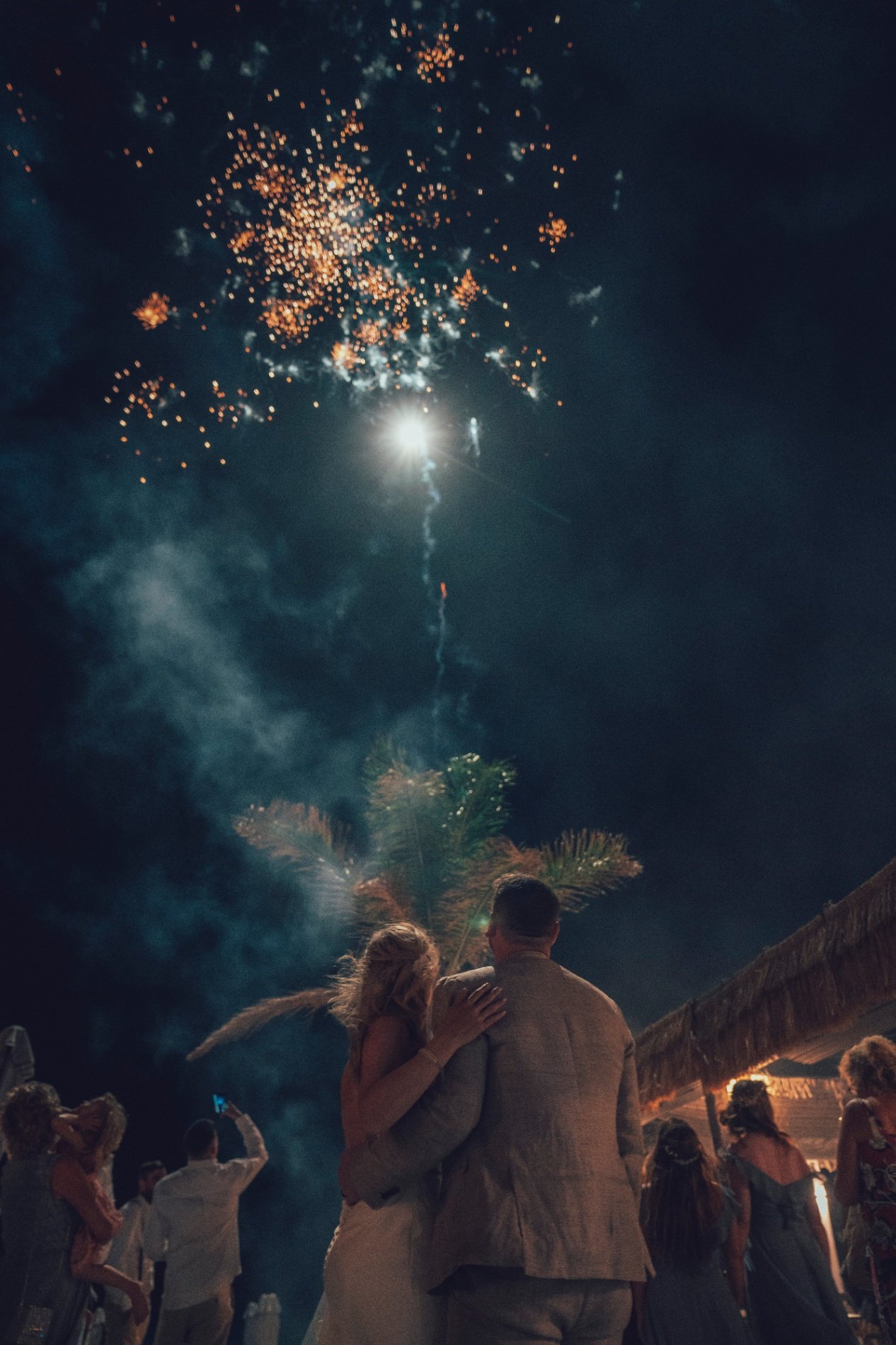
The Old Town: Venetian lanes and the Liston
Corfu Town (Kerkyra) is a UNESCO World Heritage Site, and its heart is a maze of narrow lanes the locals call kantounia. Head into the Campiello, the oldest quarter, where laundry hangs between peeling Venetian facades and the light falls in narrow shafts between four-storey houses. The red-domed campanile of Saint Spyridon — the tallest bell tower on the island — appears at the end of half the alleys and makes a natural anchor for a composition.
The Liston is the other essential frame: an elegant arcaded promenade built under French rule in the early 1800s and modelled on the Rue de Rivoli in Paris. It borders the Spianada, one of the largest squares in Greece — complete with a cricket pitch, a leftover of the British years.
Timing the Old Town
- Before 8:00 the Liston arcades are empty and the stone floor still reflects the low sun — this is the classic couple-walk shot.
- Midday is the time to avoid: in season, cruise passengers fill the lanes from mid-morning until late afternoon.
- After sunset the Liston's lanterns come on and the arcades turn warm and cinematic — lovely for an evening session.
Old Fortress views
Cross the Contrafossa — the seawater moat the Venetians dug — and climb the Old Fortress (Palaio Frourio) to the lighthouse at its summit. From the top you get the definitive Corfu panorama: terracotta rooftops, twin bell towers, the green sweep of the Spianada, and on clear days the mountains of the mainland across the strait.
Light matters here. The town's seafront facades face east, so morning sun lights them cleanly; arrive at opening time and you will have the ramparts almost to yourself. In the afternoon you will be shooting into the sun from the walls — good for silhouettes, wrong for detail.
Down at sea level, the little bathing jetty of Faliraki (Alecos Baths) sits directly below the fortress walls — a quiet spot where a couple can stand at the water's edge with the whole fortress rising behind them.
Kanoni and Mouse Island
Fifteen minutes south of town (the blue city bus line 2 stops right at the viewpoint), the Kanoni terrace looks down on the most photographed scene on the island: the whitewashed Vlacherna Monastery on its islet, reached by a narrow causeway, with the cypress-covered Pontikonisi — Mouse Island — floating behind it.
Two things make Kanoni special for a shoot. First, you can work at several levels: from the café terraces above, on the causeway itself, or at the water beside the monastery. Second, the airport runway begins right beside the lagoon, so every few minutes an aircraft passes low overhead — a gift if you like a dramatic frame, a reason to pause if you are recording video.
Sunset here looks west over the Halikiopoulou lagoon and regularly turns the water pink — one of the few spots on Corfu's east side with a genuine sunset view.
What clients say about this kind of shoot
Paleokastritsa coves
Forty minutes northwest of Corfu Town, Paleokastritsa is where the island shows off: green headlands wrapped around six small coves whose water is a turquoise you would normally cross an ocean for. Because the drama is in the water colour, this is the rare location where midday actually works — the higher the sun, the more electric the blues.
Don't skip the Monastery of Theotokos on the headland above the main beach: its bougainvillea courtyard and arched walkways are made for portraits, and entry is free (shoulders and knees covered, as in any Greek monastery). Small boat taxis run from the main beach to the sea caves along the cliffs if you want frames you can't get from land.
For golden hour, drive ten minutes up to the village of Lakones: the terrace viewpoints along the road above — locals simply call the stretch Bella Vista — look down on all the coves at once. The clifftop ruin of Angelokastro, above the village of Krini, adds a Byzantine castle to the skyline and is spectacular in the last hour of light.
Olive-grove light inland
Corfu's interior is a sea of olives — the Venetians encouraged planting for centuries, and the result is groves of tall, silvery, centuries-old trees unlike anywhere else in Greece. Photographers use them for the light: late-afternoon sun comes through the canopy dappled and soft, perfect for family sessions and relaxed portraits far from any crowd.
Easy places to start: the groves of the Ropa Valley in the island's centre, the honey-stone village of Doukades near Paleokastritsa, and — worth the mountain drive — Old Perithia on the slopes of Mount Pantokrator, a beautifully preserved Venetian-era village of stone houses at the end of the road.
Planning your Corfu shoot
- Best months: May–June and September — green landscapes, warm light, thinner crowds. July and August work well if you shoot early.
- A one-day route: Old Town at first light, Old Fortress at opening, Kanoni before lunch, Paleokastritsa for the afternoon and sunset above Lakones.
- Golden hour is short — pick one sunset spot per evening and commit to it.
A local photographer will route all of this in the right order for the light. Browse Corfu photographers or start with our Corfu location guide to see how each spot photographs across the day.
Frequently asked questions
What is the best month for a photoshoot in Corfu?
May–June and September are the sweet spot: green landscapes, warm light and thinner crowds. July and August still work if you shoot early, and Corfu has a built-in advantage over the Aegean — the Ionian light is softer, with hazy golden evenings and none of the meltemi wind that batters the Aegean in July and August.
When is Corfu Old Town quiet enough for photos?
Before 8:00 the Liston arcades are empty and the stone floor still reflects the low sun — the classic couple-walk shot. In season, cruise passengers fill the lanes from mid-morning until late afternoon, so midday is the time to avoid. After sunset the Liston's lanterns come on and the arcades turn warm and cinematic for an evening session.
Where is the best sunset spot in Corfu for photos?
Golden hour is short, so pick one spot per evening and commit to it. Kanoni looks west over the Halikiopoulou lagoon and regularly turns the water pink — one of the few genuine sunset views on the island's east side. Above Paleokastritsa, the Bella Vista terraces at Lakones look down on all six coves, and the clifftop ruin of Angelokastro is spectacular in the last hour of light.