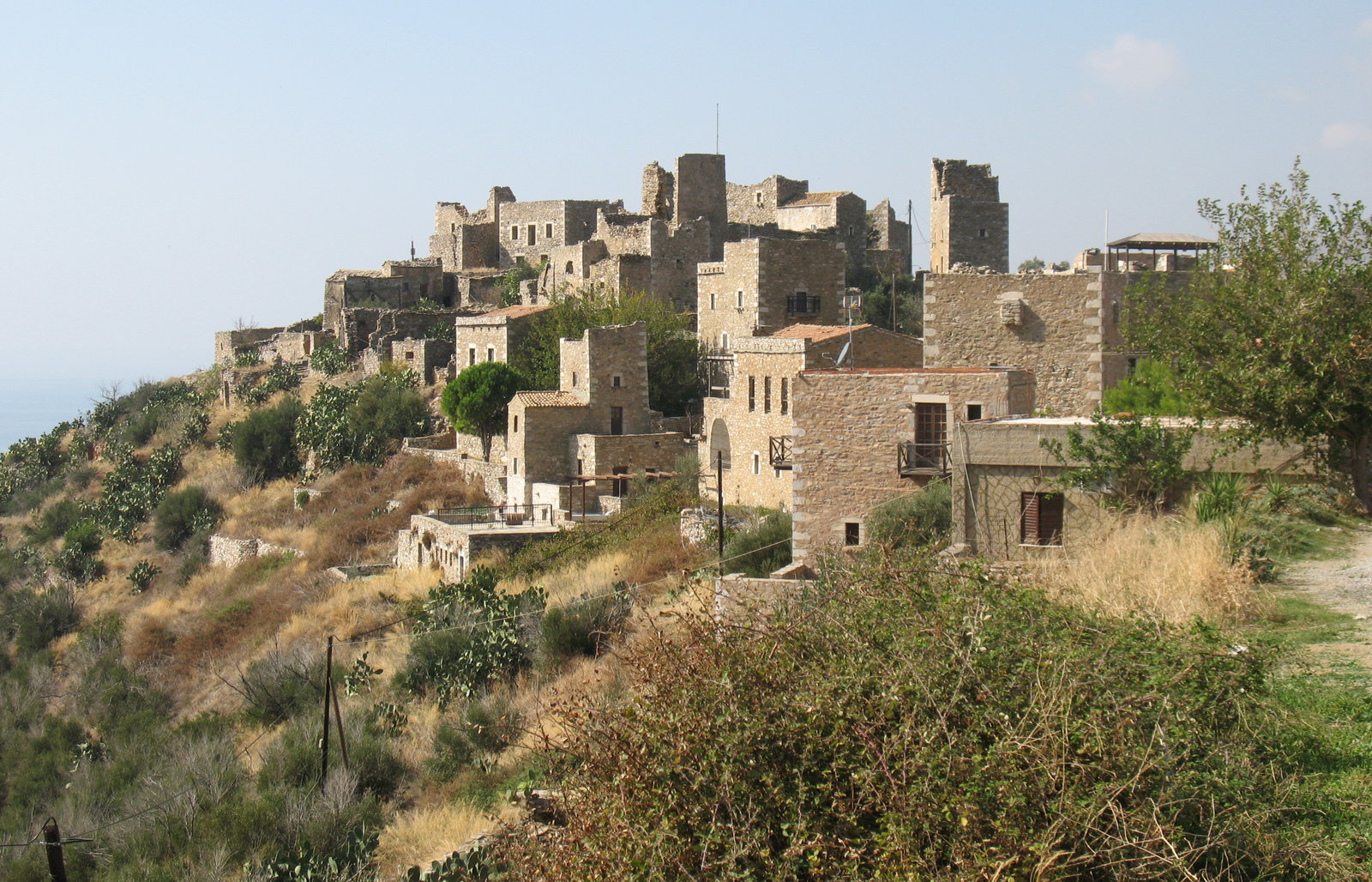
Photo spot in Mani
Areopoli's flagstone lanes
A grid of grey stone lanes, carved doorways and low arches in the town where the Greek revolution was declared.
About Areopoli's flagstone lanes
Get directionsAreopoli is the capital of the Mani in everything but administration, and its old quarter is a protected settlement: two or three streets of flagstone, houses built of the same grey limestone as the hills, and carved marble lintels over the doors — sun discs, cypresses, mermaids and dates, cut by masons who worked in the same idiom for two hundred years.
The photographic value is texture and repetition. Work the lanes lengthwise so the arches stack, and use the doorways as ready-made frames — the carving reads best in raking light rather than flat sun. The main square, with its statue of Petros Mavromichalis and the church of the Taxiarches with a relief-covered bell tower, gives the wider, more formal frame.
Late afternoon is the hour. Areopoli is grey stone and needs warm light to come alive; at midday it goes hard and colourless, and in the evening it turns honey-coloured for about forty minutes. The town is a stop on every Mani tour, but the coaches leave by five. It is a lived-in town rather than a museum, so keep doorways clear and ask before shooting into a courtyard.
Best time to shoot
The last hour before sunset, when grey limestone turns honey-coloured and the tour groups have gone
Tips
Midday flattens the stone completely — this is an evening location. The carved lintels need side light; look for doorways the sun rakes across. Keep out of doorways and courtyards without asking; people live here.
Recent work in Mani
Portfolio shots by photographers covering this area


Panagiotis K.
View profile →


Athanasios P.
View profile →

Takis D.
View profile →
Takis D.
View profile →
Takis D.
View profile →
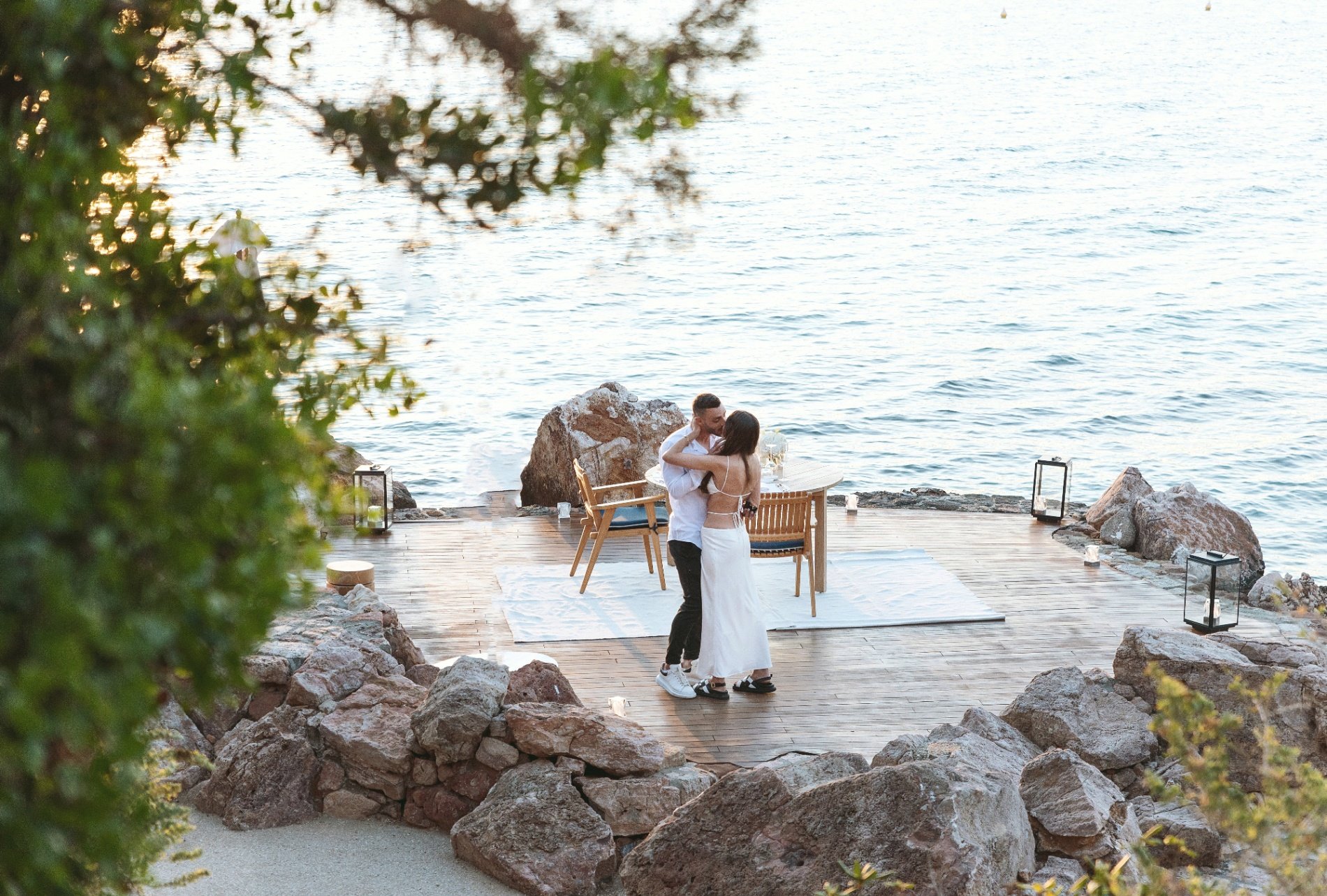
Panagiotis K.
View profile →

Athanasios P.
View profile →
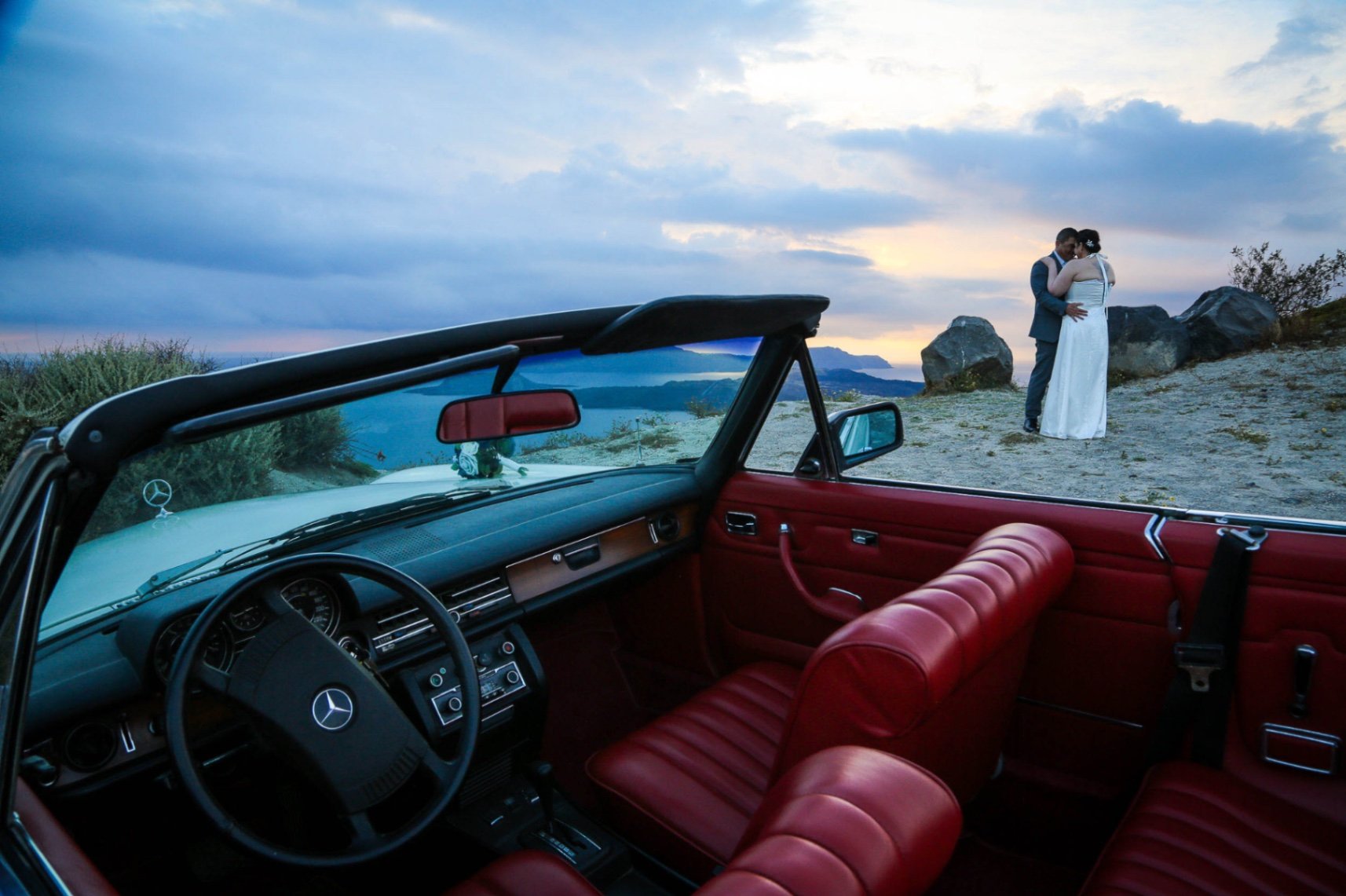
Athanasios P.
View profile →
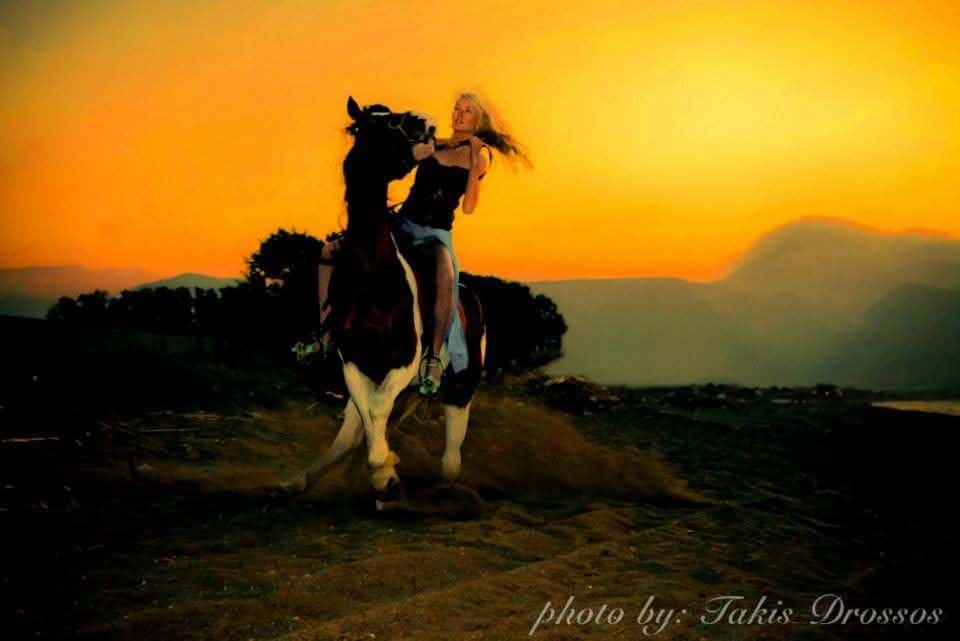
Takis D.
View profile →
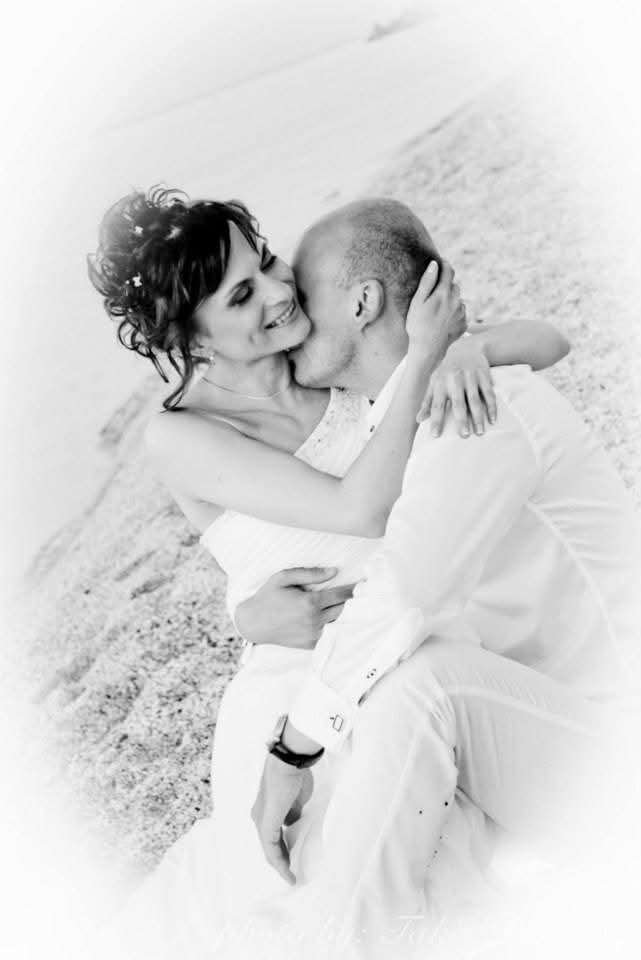
Takis D.
View profile →
Takis D.
View profile →
Takis D.
View profile →
Takis D.
View profile →

Athanasios P.
View profile →
Takis D.
View profile →

Athanasios P.
View profile →
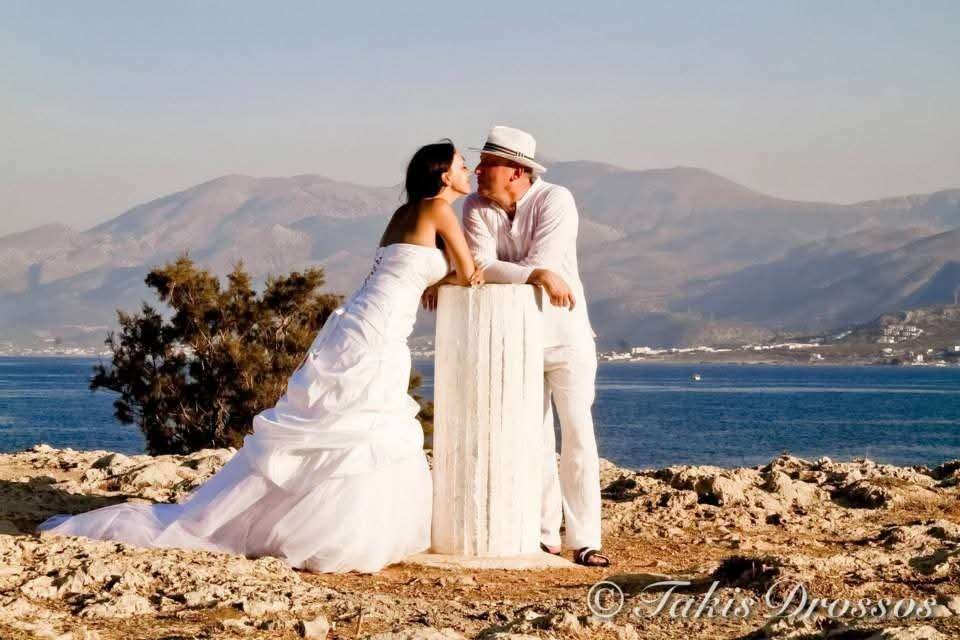
Takis D.
View profile →

Panagiotis K.
View profile →
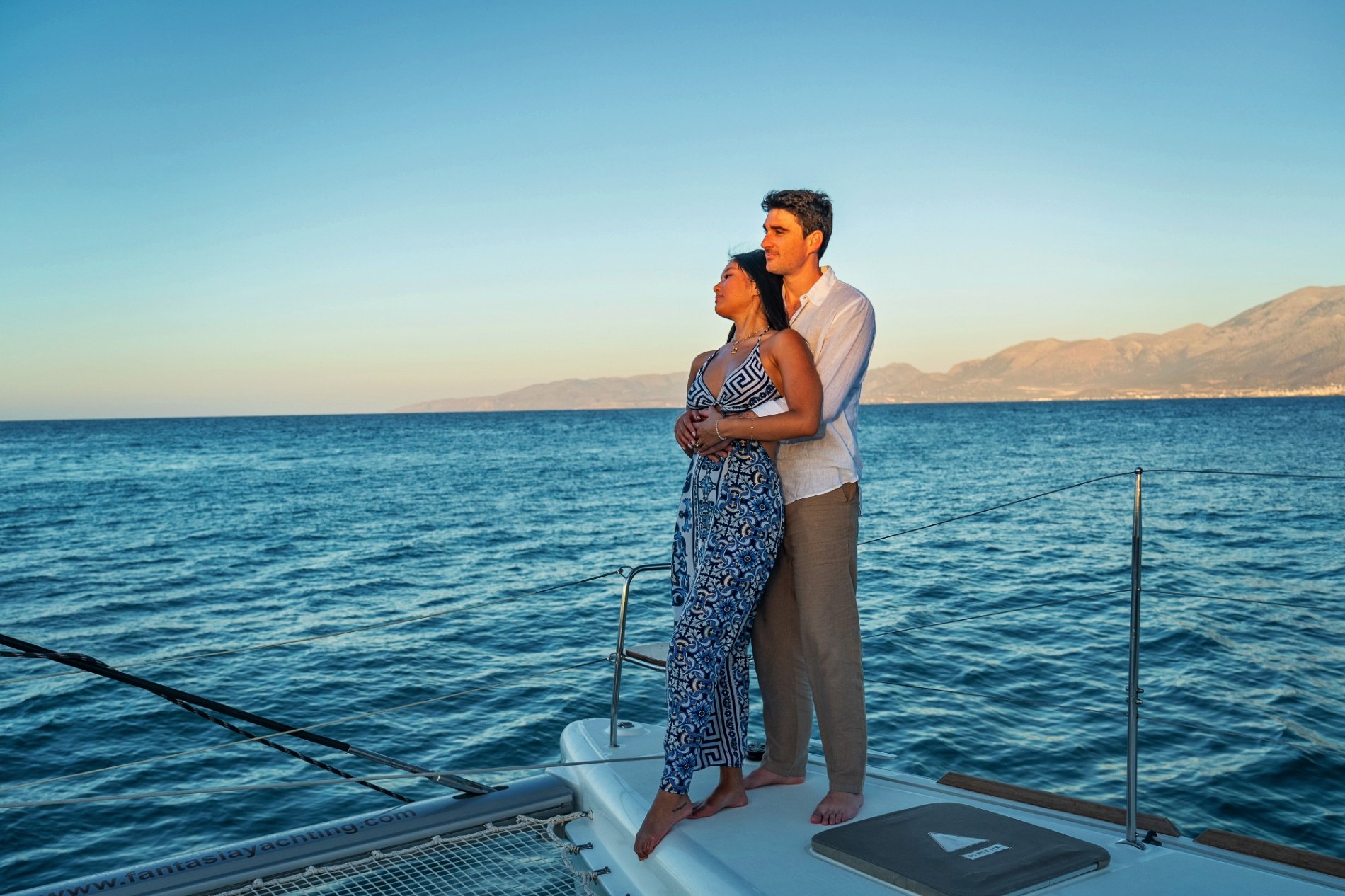
Takis D.
View profile →
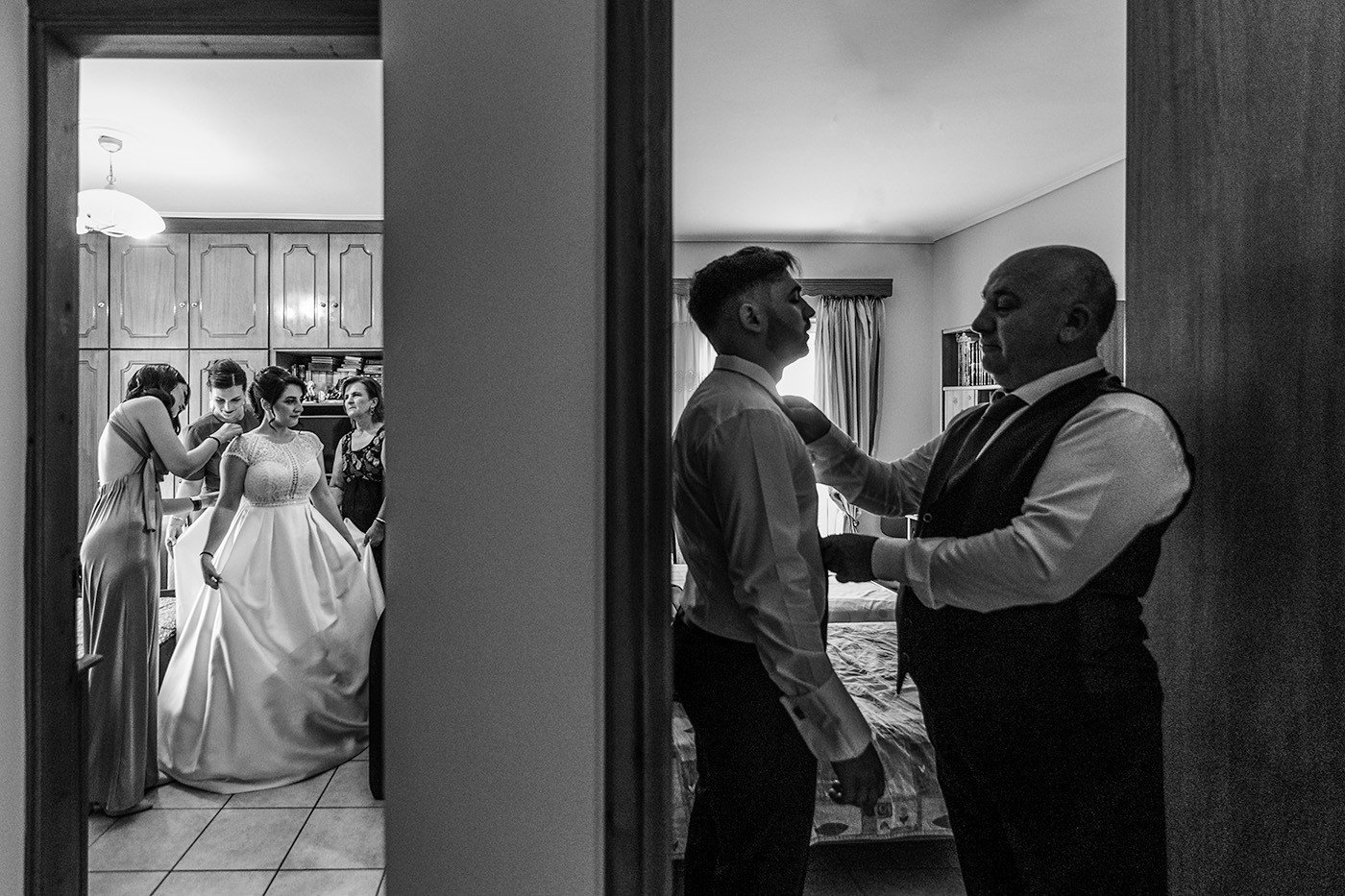
Christos A.
View profile →
Panagiotis K.
View profile →
Takis D.
View profile →

Panagiotis K.
View profile →
Takis D.
View profile →
Panagiotis K.
View profile →
Athanasios P.
View profile →
Takis D.
View profile →
Takis D.
View profile →
Athanasios P.
View profile →
Panagiotis K.
View profile →
Panagiotis K.
View profile →
Photographers who shoot at Areopoli's flagstone lanes
Hand-picked professionals working in Mani
Real reviews from Mani photoshoots
Caitlyn A.
From the very beginning, our photographer Athanasios went above and beyond anything we expected. He wasn’t just an incredible photographer—he became a trusted guide throughout our wedding planning in Greece. He helped us with…
Athanasios P.
Photographer
Riza M.
When I decided to get married in Santorini, the most important thing was to find a great photographer. As gorgeous as Santorini is, who wouldn’t want amazing photographs to capture the biggest and happiest day of your life? With this in…
Athanasios P.
Photographer
Jamie H.
We booked Panagiotis for our wedding in Mykonos after A LOT of research into photographers based in Greece. His style really stood out as a photographer who puts real effort into telling the story of the day through his lens, and as a…
Panagiotis K.
Photographer
Other spots in Mani
Limeni bay
Stone tower houses standing straight out of shallow turquoise water, in a fishing cove ten minutes below Areopoli.
The tower houses of Vathia
A hilltop cluster of stone war towers, mostly roofless, standing over terraced slopes and open sea on the deep Mani.
Cape Tainaron lighthouse
The southernmost point of mainland Greece: a squat stone lighthouse at the end of a forty-minute path, with sea on three sides.
Ready to book?
Our concierge team will hand-pick 2-3 photographers who know Areopoli's flagstone lanes — free of charge.