

Best Photo Spots in Athens: A Local's Guide for 2026
Athens rewards photographers like few cities in Europe. A 2,500-year-old citadel floats above the rooftops, whitewashed island lanes hide ten minutes from a metro station, and the coast road ends at a marble temple hanging over the Aegean. Our photographers in Athens shoot these locations week in, week out — for couples, proposals, families and solo travellers — and this is the honest version: where to stand, when to arrive, and what the light actually does.
3 photo spots in Athens — click a pin to open the full guide
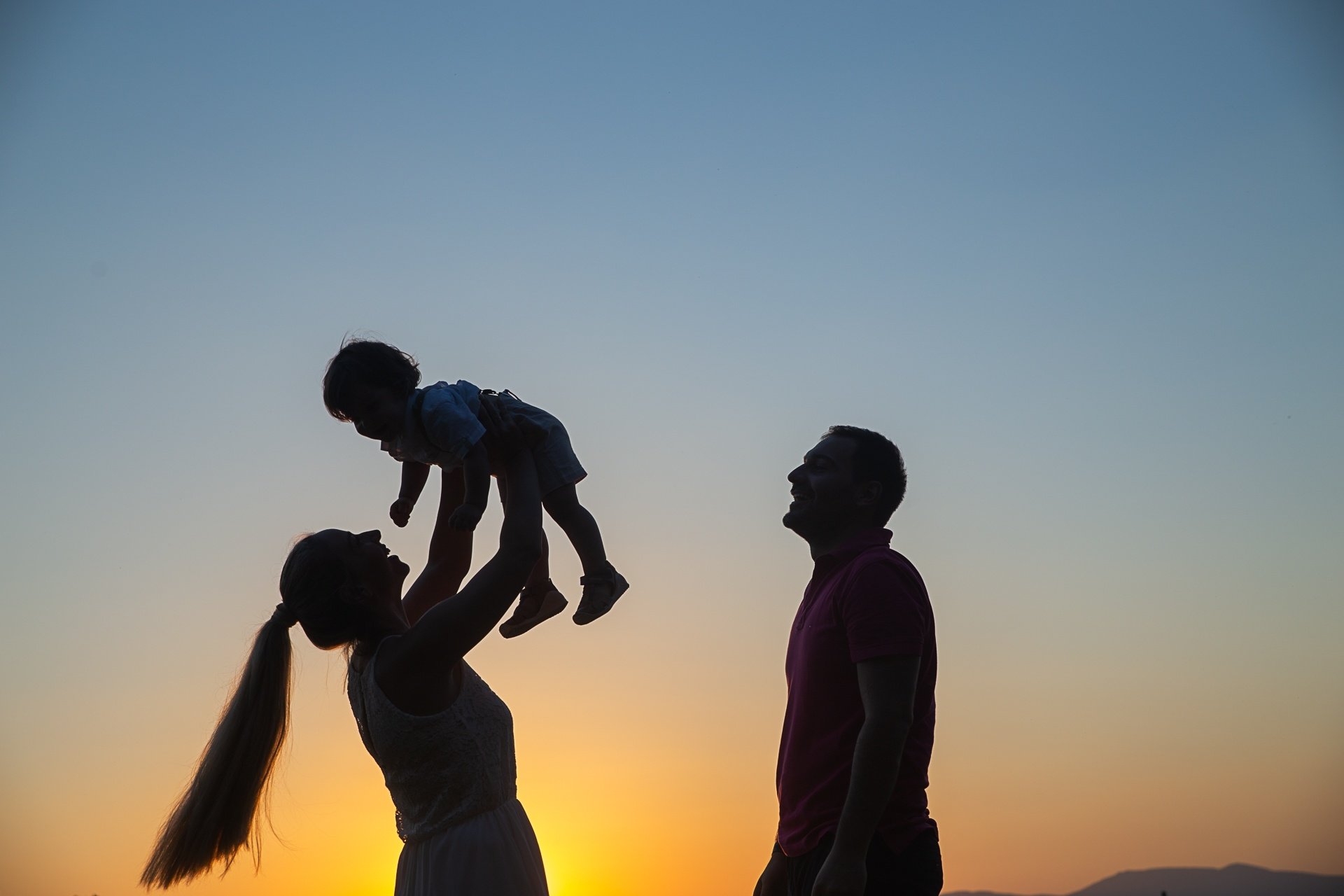
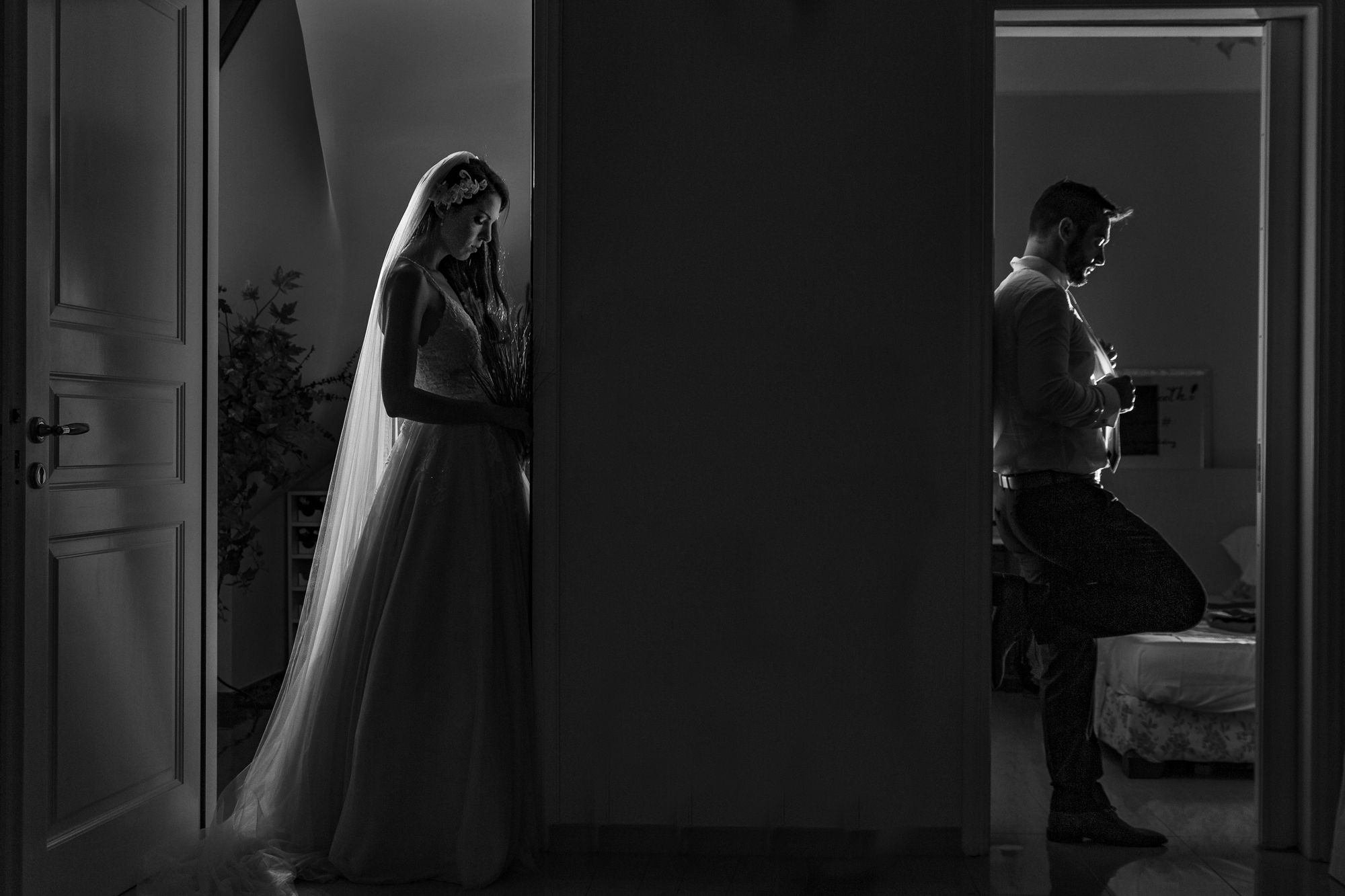
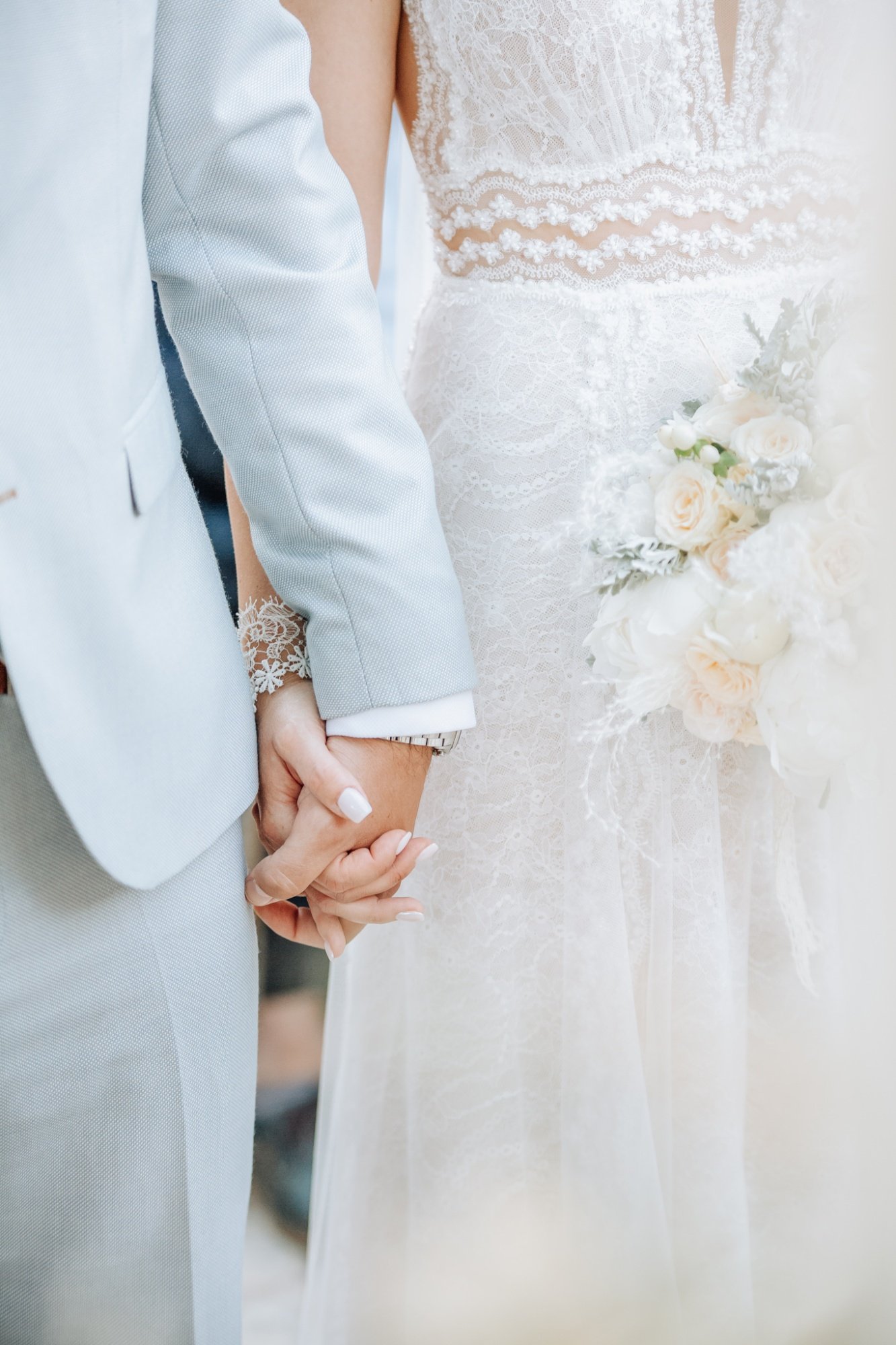
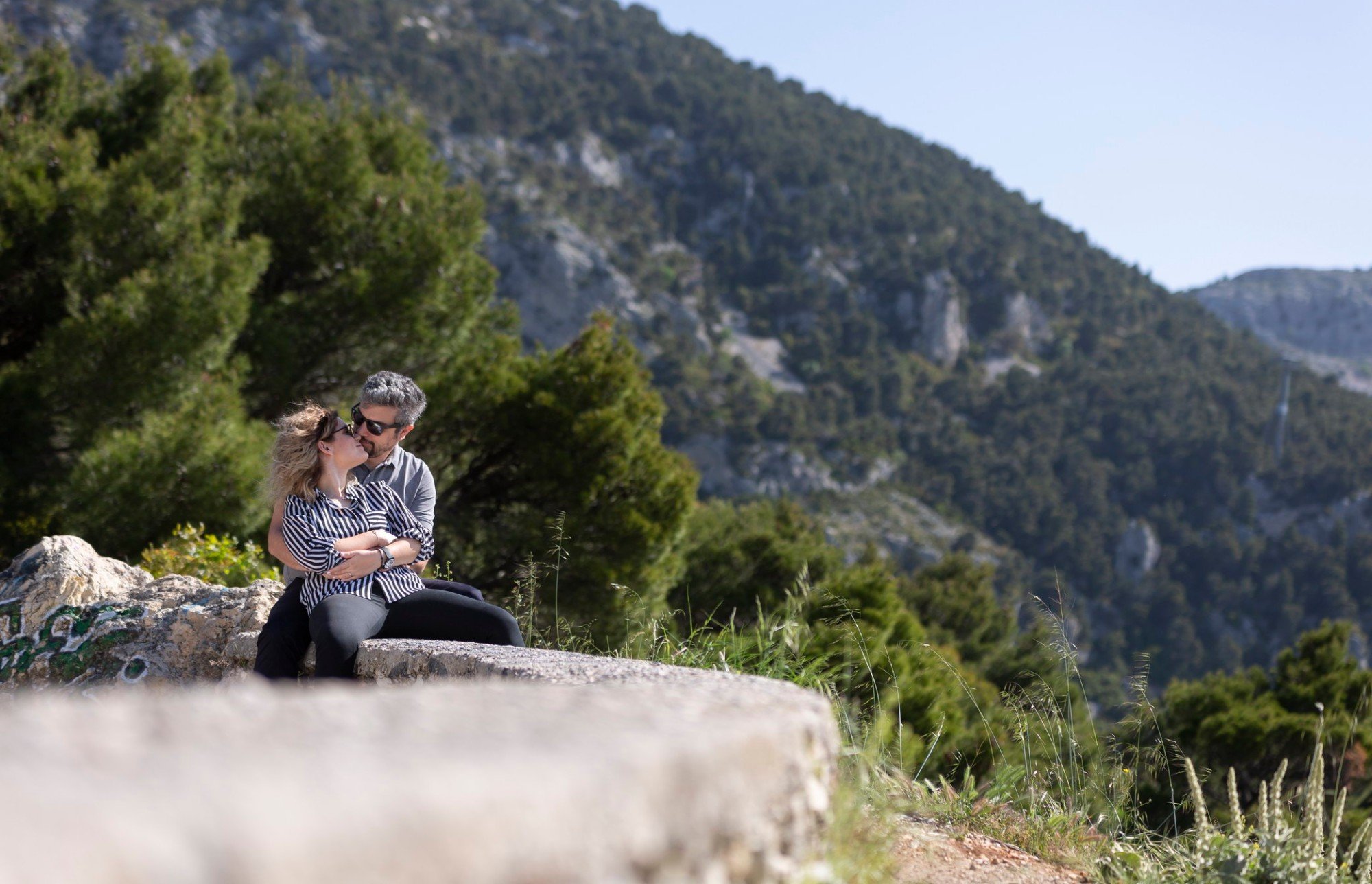
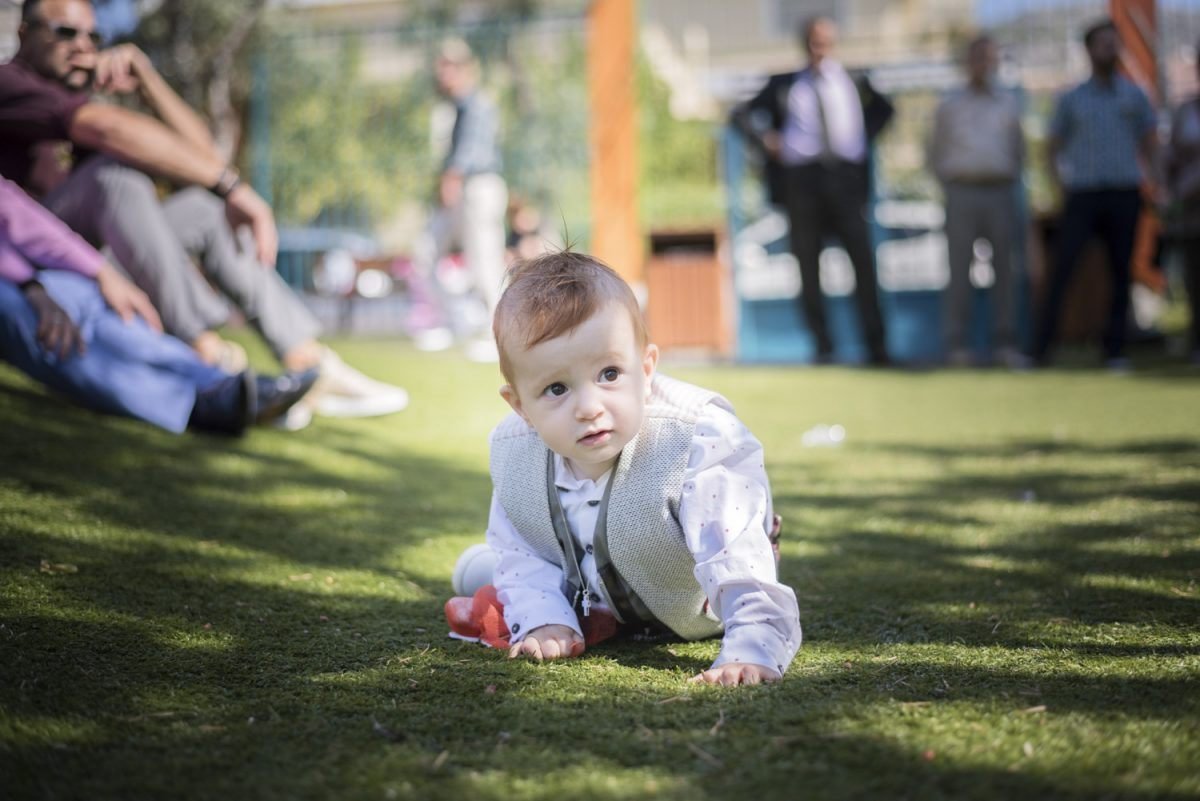
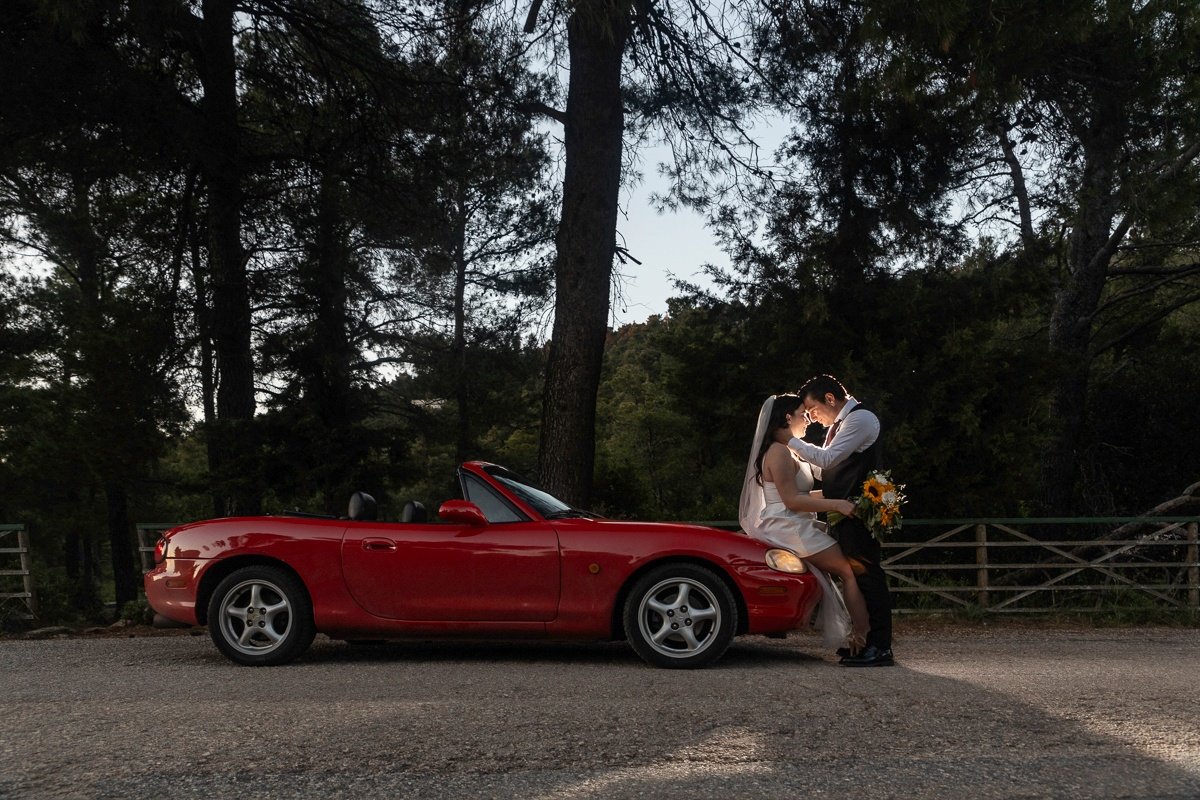
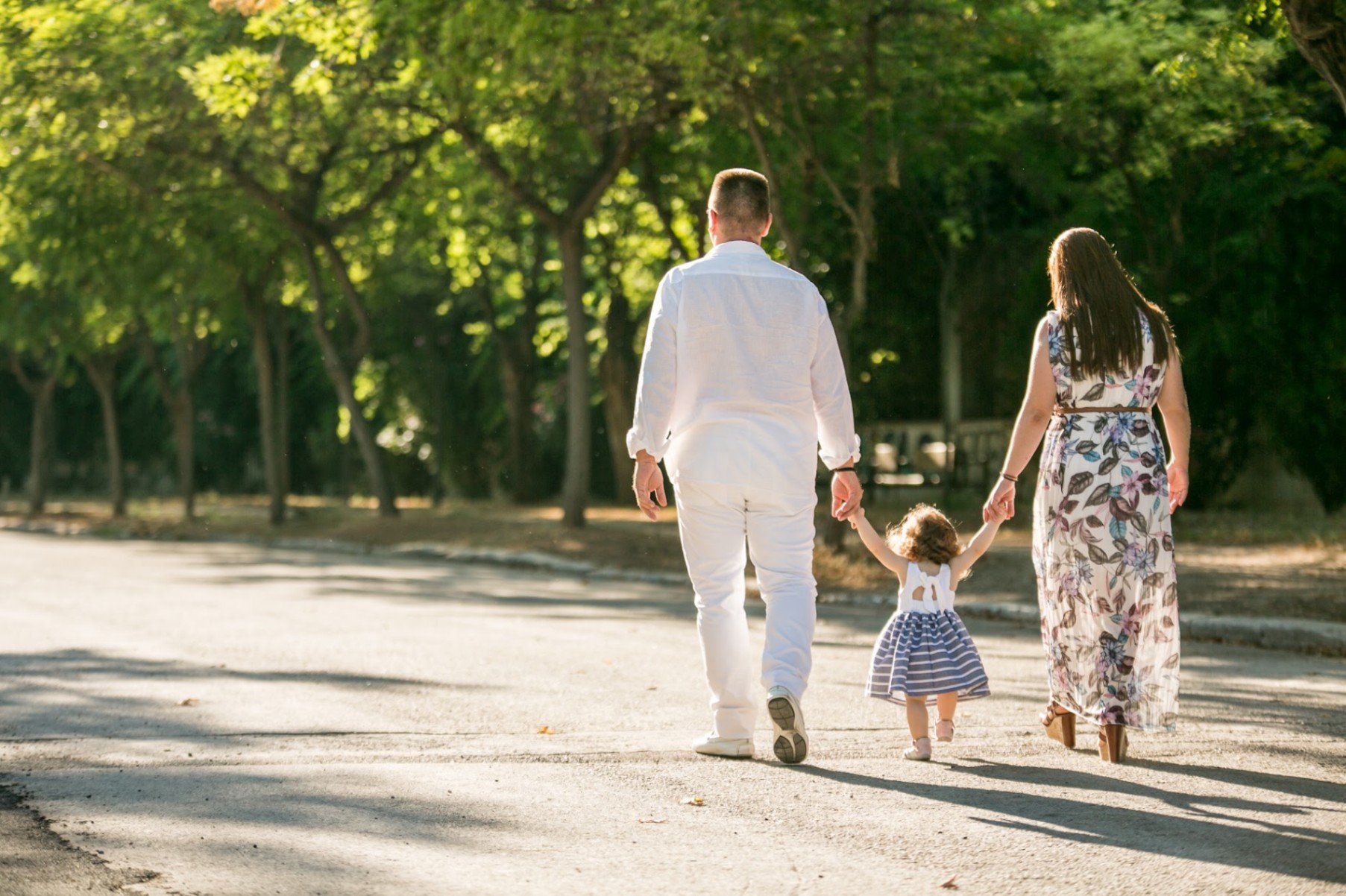
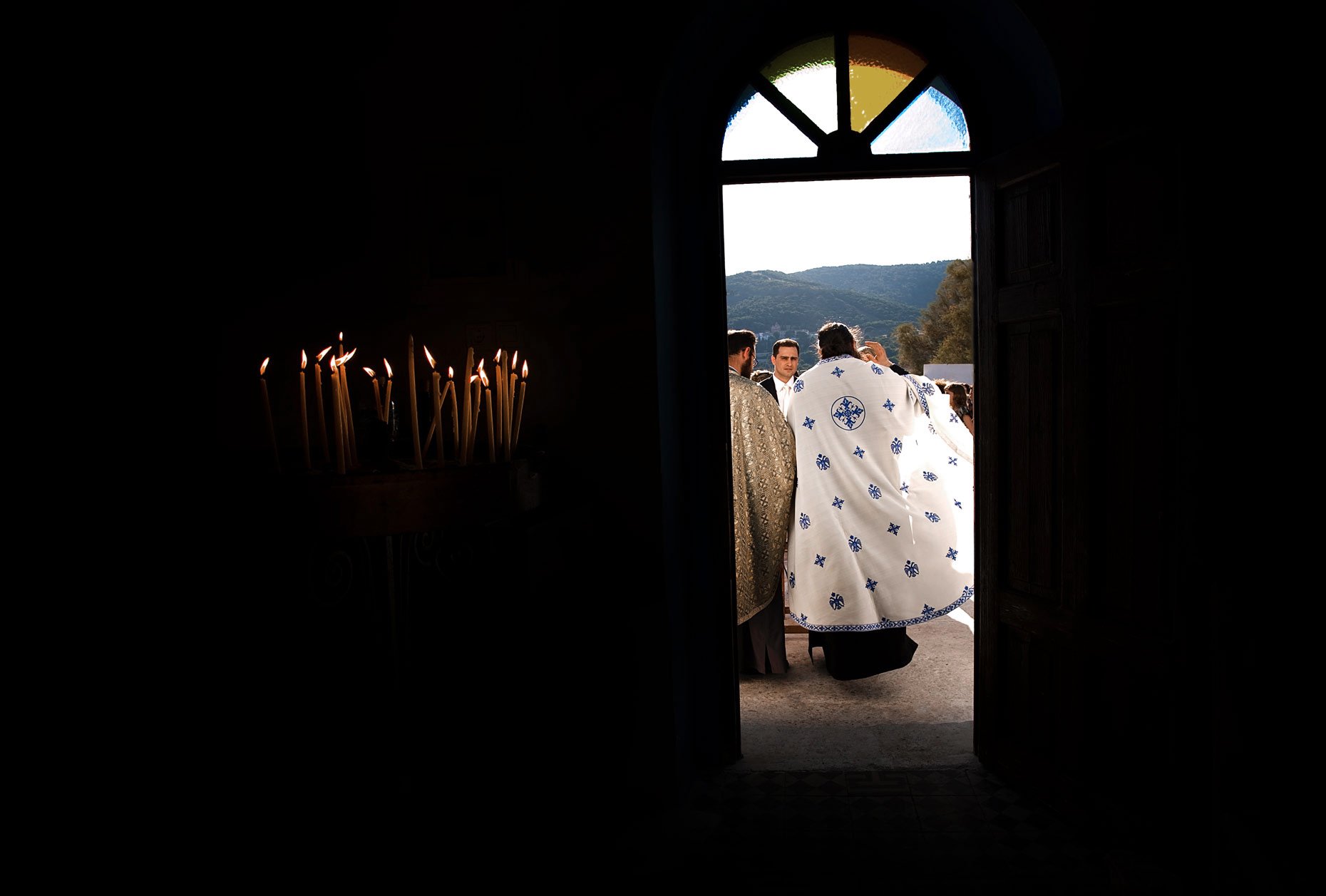
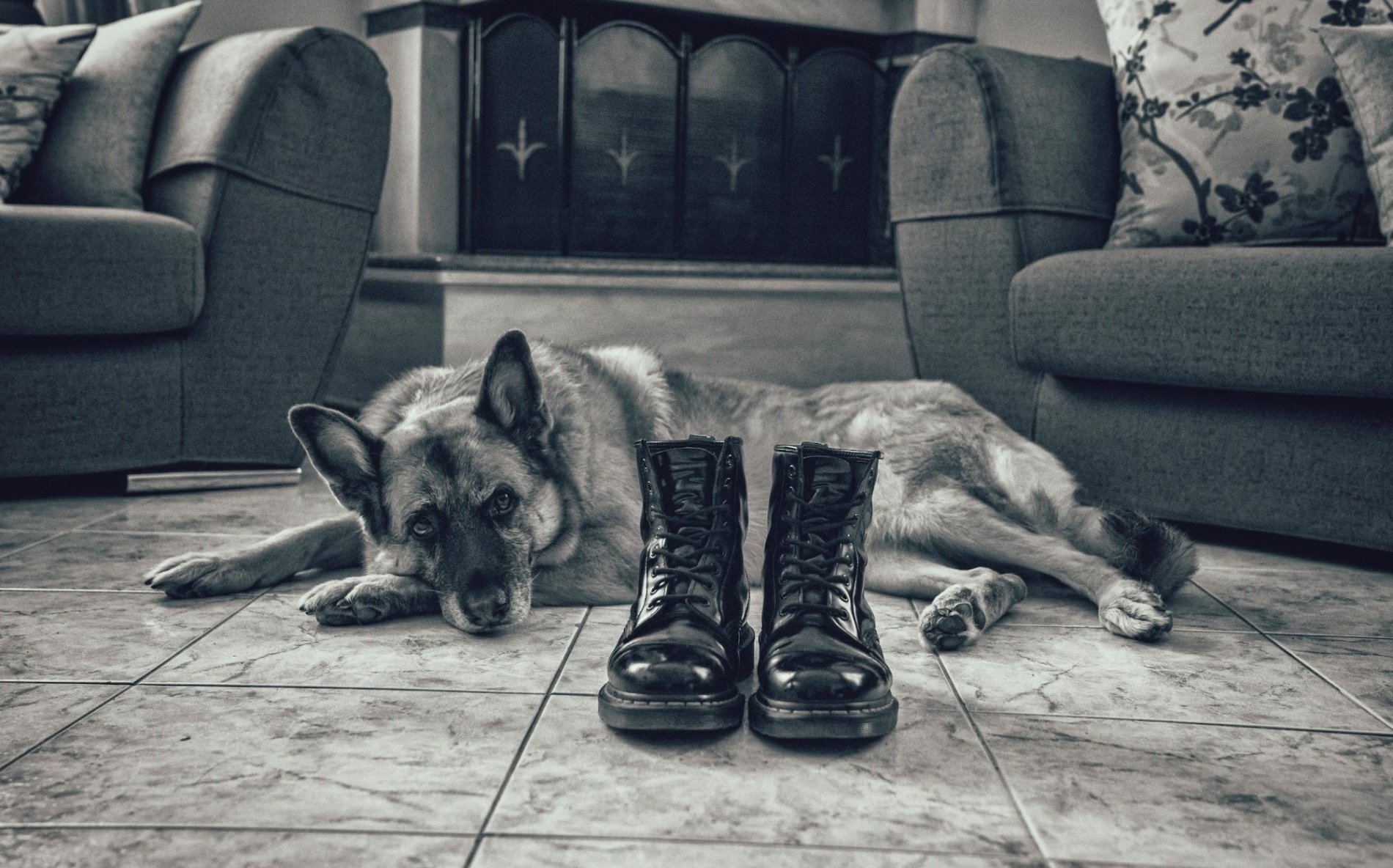
Real shots from Athens

Acropolis viewpoints: the Areopagus and Philopappos Hill
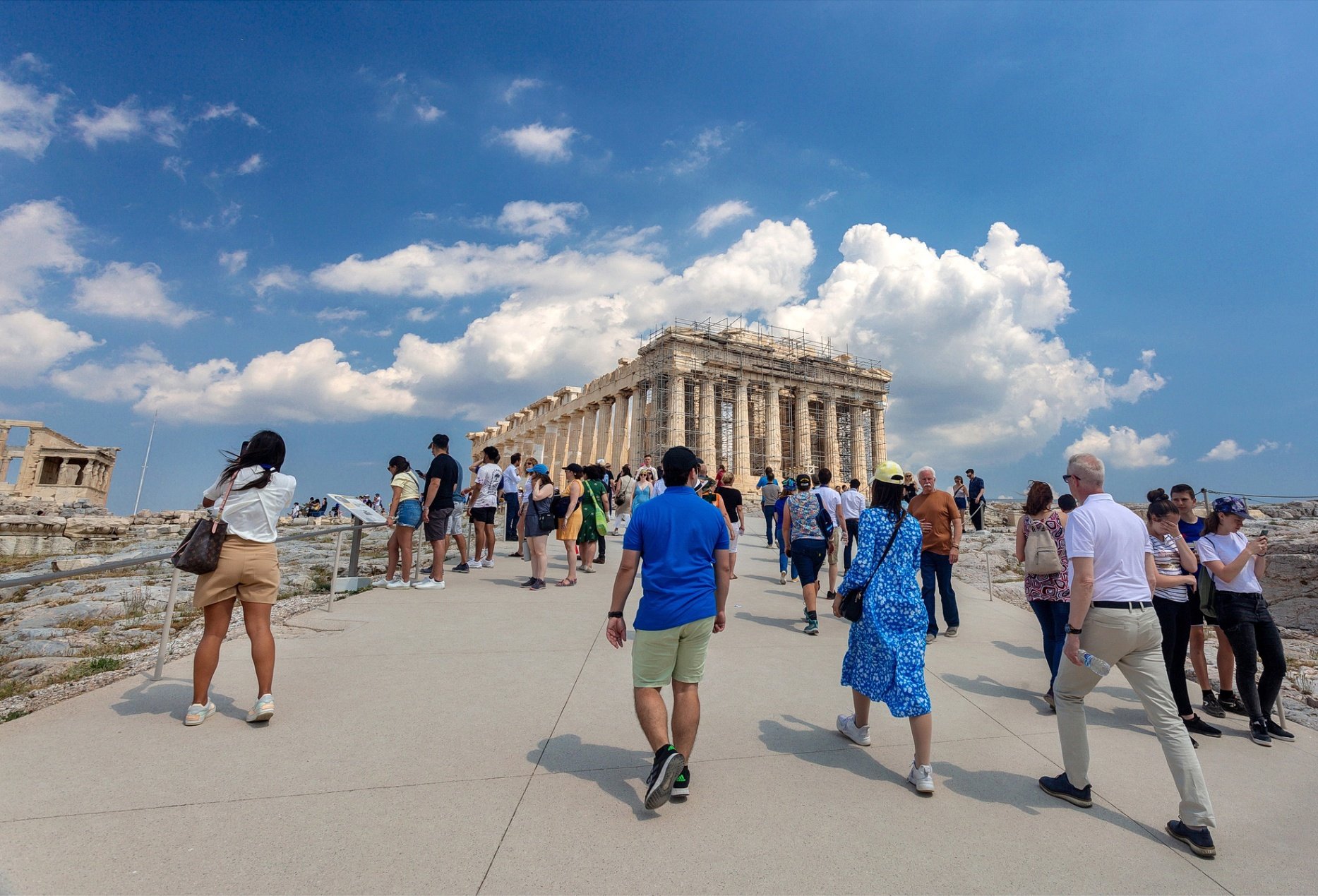
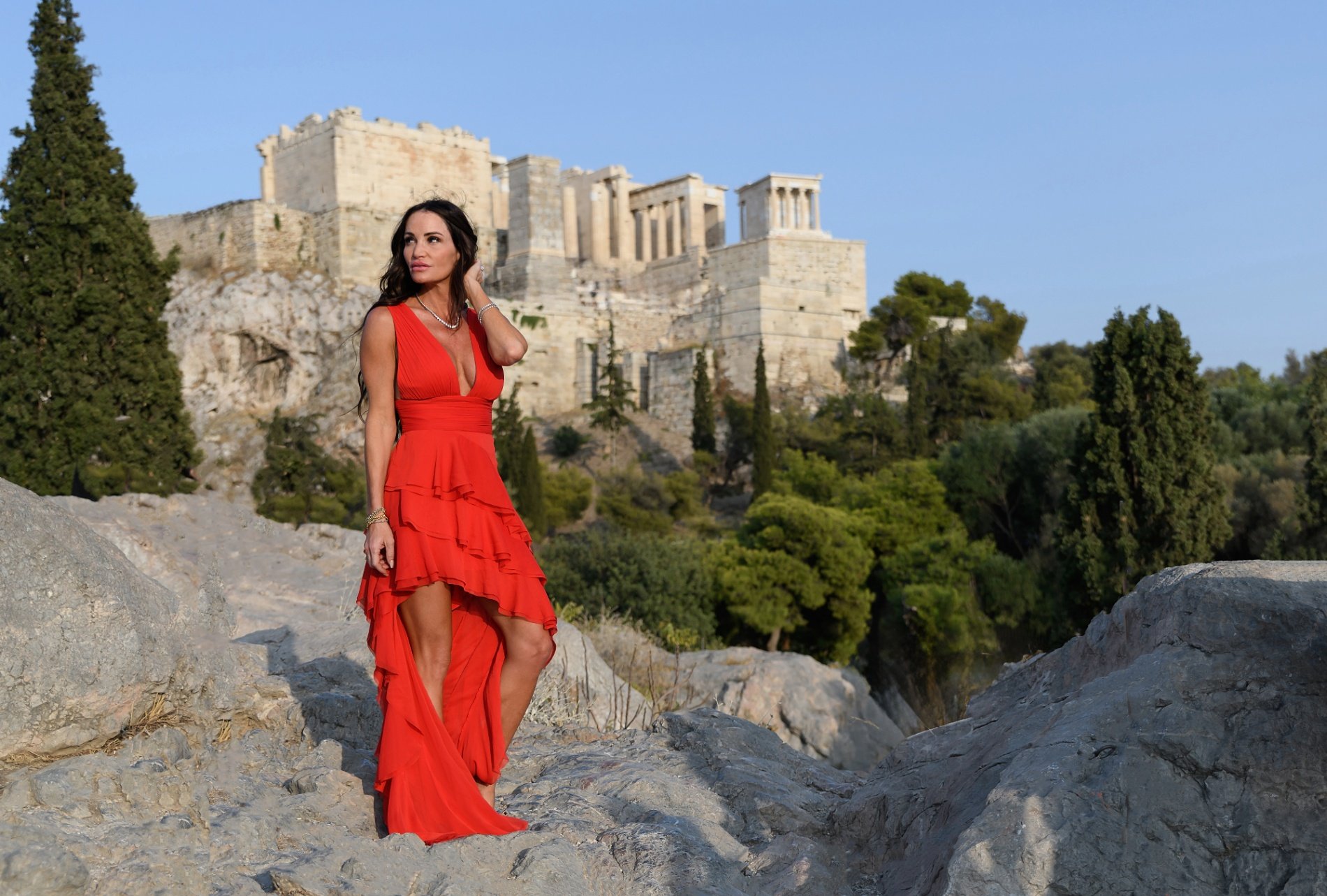
The Parthenon is the frame everyone wants, and the two classic vantage points sit on opposite sides of the Sacred Rock — one for dawn, one for sunset.
The Areopagus at dawn
The Areopagus, or Mars Hill, is the low marble outcrop directly below the Acropolis entrance. Access is free and open around the clock, and at dawn the rock is nearly empty — the same rock that holds a shoulder-to-shoulder crowd every evening. Arrive 30–40 minutes before sunrise: the sky over the city turns pink, the Propylaea glows softly above you, and you can work without a single stranger in the frame. One real warning: millennia of footsteps have polished the marble to glass. Wear shoes with proper grip, use the metal staircase rather than the rock-cut steps, and skip it entirely after rain.
Philopappos Hill for the classic Parthenon frame
For the straight-on shot — the Parthenon sitting level with your lens, nothing but sky behind it — walk up Philopappos Hill, the pine-covered Hill of the Muses. From the Acropolis metro station it is a 20–25 minute climb along Dimitris Pikionis's famous stone pathways, an artwork in themselves. The best viewpoint sits just below the Philopappos Monument at the summit. Come in late afternoon: the sun sets behind you to the west and pours warm side light straight onto the temple's columns. Stay for blue hour, when the Acropolis floodlights switch on against a deep-blue sky.
Plaka and Anafiotika
Plaka, the old town wrapped around the northern slopes of the Acropolis, is all neoclassical façades, bougainvillea and the stepped Mnisikleous Street, where café tables climb the staircase. Before 9 am the steps are empty and the light is soft; by noon it is a procession.
Keep climbing and you reach Anafiotika, a cluster of tiny whitewashed houses built in the 19th century by craftsmen from the island of Anafi. It photographs like a Cycladic village — blue shutters, cats, lanes barely a metre wide — with the Acropolis wall rising directly above. Two things matter here: morning light, because the white walls turn harsh and contrasty by midday, and respect — these lanes are people's homes, so keep voices down and never block a doorway.
Lycabettus Hill
At 277 metres, Lycabettus is the highest point in central Athens. Take the funicular from Aristippou Street in Kolonaki, or walk the zigzag path in about half an hour. From the terrace beside the whitewashed Chapel of St George, the entire city rolls out beneath you to the Saronic Gulf, with the Acropolis as the centrepiece. Sunset here is genuinely spectacular — and genuinely crowded: claim your spot 45–60 minutes early in summer. Bring a longer lens if you have one; at 70–200 mm you can compress the Acropolis against the sea and the ferries leaving Piraeus.
What clients say about this kind of shoot
I don't know where to begin! Working with Kostas was truly wonderful — not just because his photos and videos are incredible, but because he's a person full of passion, humour and fantastic energy. I've always felt a bit awkward with posed photos, but from the first minute he made me relax, laugh and genuinely enjoy it. He captured natural moments, real smiles and all the emotion of that day in a way I'll never forget. The result exceeded every expectation! The photos are vivid, full of light and feeling, and the video is truly cinematic — the editing, the music, the details, all put together with so much love and taste that every time we watch it we relive our day from the beginning. Beyond being an excellent professional, he's someone who loves what he does, and it shows in every frame. If you want to keep your most beautiful moments alive, there's no better choice. 📸💫
— Konstantina K. on Konstantinos P.
I can't say enough good things about Panagiotis and Vassileios. They captured every moment of our special day beautifully — from the getting-ready photos to the ceremony and reception, their talent shines through. They were incredibly professional, patient and attentive to our needs. The photos turned out even better than we could have imagined. We're so grateful to have these memories to cherish forever.
— Lamija on Panagiotis K.
It has been a year since our daughter got married. We cannot let this anniversary pass without reviewing our wonderful photographer, Christos Aggelidis. He also photographed our first daughter's wedding. We were so happy with his work then that we hired him again, and we are just as thrilled with the results this time. Christos and his team are true professionals. He listened closely to learn what we wanted. Then, he and his team used their great skills to capture photos and videos that truly reflect our family. We are so proud of these memories. He is a joy to work with and a master of his craft. We thank him deeply and recommend him to anyone. You will not be disappointed; you will be delighted.
— Nikos T. on Christos A.
An excellent professional. Impeccable guidance, with no pressure. He makes you feel at ease, you can talk through exactly what you want, and he delivers the result you're after!
— Anna G. on Konstantinos P.
There are some people who aren't simply professionals but become part of the most important moments of your life. Christos is one of those people for us. After our wedding years ago, there was no second thought about who would be beside us at our child's christening. And once again, everything was exactly as we felt it: true, beautiful and full of emotion. He has a unique way of making you feel at ease and at the same time capturing moments as they really are — without exaggeration, but with a great deal of love. For us he isn't just an excellent photographer. He is someone we trust, whom we hold in high regard and whom we are glad to have at our most important moments. Christos, thank you from the bottom of our hearts for the memories we will keep for a lifetime. 😊😊
— Barbara P. on Christos A.
This was actually our second time working with Christos! After seeing his work at my sister's wedding, we knew we wanted him for ours as well. Once again, it was absolutely the right decision! Christos is extremely easy to communicate with, speaks English excellently, and throughout the day was professional, attentive, creative and incredibly hardworking. We had specific requests, and he delivered exactly what we were hoping for, often capturing moments we didn't even realise would be so meaningful. The final photos, the album and the wedding video were beautiful. Choosing Christos a second time for a second big family moment was an easy decision. We would highly recommend him to anyone looking for a photographer who is truly passionate about his work and delivers with such care and attention. THANK YOU CHRISTOS!
— Eve D. on Christos A.
Monastiraki rooftops
Around Monastiraki Square you will find the densest cluster of rooftop cafés and bars with a direct view up to the Acropolis. The moment to be there is blue hour: minutes after sunset the Parthenon's floodlights come on and the temple glows gold above the city lights. In summer, reserve a table facing the hill a day or two ahead. Down at street level, the square itself — the Tzistarakis Mosque, the flea market on Ifestou Street, the crowd pouring out of the metro — is Athens street photography at its liveliest, especially on Sunday mornings.
The Athens Riviera and Cape Sounion
When you want the sea in the frame, follow the coast. The Athens Riviera runs south from Faliro through Glyfada to Vouliagmeni — marinas, pine-backed beaches and the thermal lake of Vouliagmeni. The road ends about 70 kilometres southeast of the city at Cape Sounion, where the Temple of Poseidon stands on a cliff above the open Aegean. Sunset here is one of the great images of Greece: the sun drops straight into the sea, the marble columns turn honey-gold, then black against the afterglow. Allow around an hour and a half by car along the coastal road, and arrive well before sunset — the archaeological site's closing time follows the sun, and the last half hour is what you came for.
Timing your Athens shoot
- Dawn wins at the Areopagus, in Anafiotika and in Plaka: empty frames and soft light.
- Sunset wins on Philopappos, on Lycabettus and at Sounion — arrive early, leave at blue hour.
- Summer middays are brutal: hard shadows, heat and crowds. Shoot early, swim in the afternoon.
- Blue hour — the 20–30 minutes after sunset — belongs to the rooftops, when the Acropolis lights come on.
If you would rather be in the photo instead of behind the camera, our local photographers shoot these exact spots every week and will build the route around your morning — from an Areopagus sunrise to breakfast in Plaka. And if Athens is your first stop in Greece, see what else the city offers on our Athens page.
Frequently asked questions
What is the best time of day to photograph the Acropolis?
Dawn belongs to the Areopagus, the free marble outcrop below the Acropolis entrance: arrive 30–40 minutes before sunrise and the rock is nearly empty. For the classic straight-on Parthenon frame, climb Philopappos Hill in late afternoon, when the setting sun pours warm side light onto the columns. Summer middays bring hard shadows, heat and crowds, so shoot early and swim in the afternoon.
How early should I get to Lycabettus Hill for sunset?
In summer, claim your spot on the terrace beside the Chapel of St George 45–60 minutes before sunset — the view is spectacular and genuinely crowded. Take the funicular from Aristippou Street in Kolonaki or walk the zigzag path in about half an hour. A 70–200 mm lens lets you compress the Acropolis against the sea and the ferries leaving Piraeus.
How far is Cape Sounion from Athens for a sunset shoot?
The Temple of Poseidon stands about 70 kilometres southeast of the city, roughly an hour and a half by car along the coastal road through Glyfada and Vouliagmeni. Arrive well before sunset: the archaeological site's closing time follows the sun, and the last half hour — when the sun drops into the sea and the columns turn honey-gold — is what you came for.
Want professional photos in Athens?
Browse portfolios, compare packages, and book a verified local photographer in minutes.